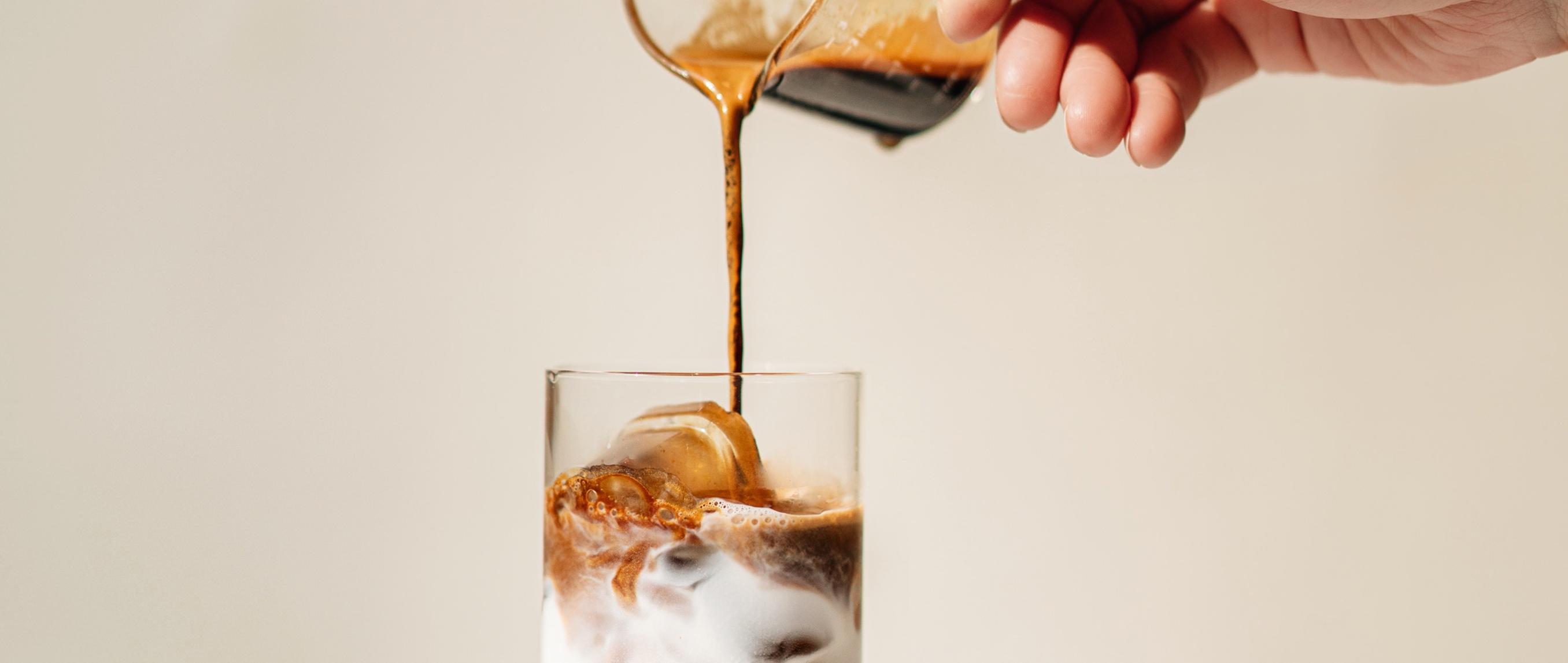
Beverage photography is one of the most technically demanding product niches in commercial photography.
Condensation disappears within minutes, ice melts before a setup is finished, glassware picks up every reflection in the room, and backlit liquids behave differently from anything in the standard product photography playbook.
A drink that looks alive and refreshing in person can end up flat and lifeless in a photograph if the lighting isn't right.
That technical specificity is also the opportunity. Brands know the difference between a photographer who knows how to work with liquids and one who doesn't.
A portfolio that shows you've solved these problems (controlled reflections, preserved condensation, backlit color and translucency) signals to beverage clients that you're someone who won't need to figure it out on their time.
This guide covers how to build a beverage photography practice: defining your niche, building a portfolio that demonstrates real commercial competence, finding and pitching the right clients, pricing for scope and usage, and building the kind of client experience that generates repeat work.
What you'll learn in this guide:
- Define the Beverage Photography Niche You Want to Own
- Understand What Beverage Clients Need
- Build a Portfolio for Beverage Brands
- Show Your Process, Not Just the Final Images
- Research Brands Before You Pitch
- Pitch an Idea, Not Just Your Availability
- Price Around Scope and Usage
- Create a Client Experience That Earns the Next Project
- Turn One Project Into More Opportunities
- Frequently Asked Questions
- The Technical Knowledge Is Part of the Pitch
Beverage photography covers a wide range, including the clean, white-background product images an e-commerce brand needs and the moody, atmospheric campaign work a spirits company commissions. Your visual style, lighting approach, and what genuinely interests you should guide where you start.
Some natural entry points, each with distinct visual language and client expectations:
- Coffee and specialty roasters. A category that rewards clean, minimalist aesthetics and often pairs product photography with lifestyle imagery showing how the coffee fits into the morning ritual. Small-batch roasters with distinctive brand stories are one of the most accessible entry points for a photographer building a beverage portfolio.
- Craft breweries and small-batch distilleries. Clients that value authenticity and story over high-gloss perfection. The visual approach tends toward natural materials, honest textures, and images that communicate craft. Tap room lifestyle imagery, can and bottle heroes, and pours with visible condensation are the core deliverables.
- Cocktail bars and programs. High-volume content needs: seasonal menu refreshes, promotional imagery for events and launches, ingredient and technique close-ups. Fast turnaround expectations, often with a smaller per-image budget than brand work.
- Ready-to-drink and CPG brands. Canned beverages, sparkling waters, kombucha, functional drinks. These brands run large content calendars and need platform-ready imagery across e-commerce, social, and paid media consistently. This is the client type with the strongest recurring revenue potential.
- Wellness and functional beverages. A growing category positioning around health, ritual, and natural ingredients. The visual language typically emphasizes naturalism: organic surfaces, natural light, muted palettes.
- Premium spirits and wine. The most technically demanding and most highly compensated beverage niche. Clients with sophisticated creative briefs, high production expectations, and usage-based licensing that reflects the commercial value of the imagery.
Think through your current visual style and where it naturally connects. If you gravitate toward bright, clean imagery with controlled light, CPG and wellness brands are natural territory.
If you prefer dramatic rim-lighting, deep shadows, and rich color, premium spirits and cocktail work may be a better fit.
Most beverage briefs ask for more than "a nice drink photo."
They're requests for a set of images that solves a specific marketing problem: filling a product page, launching a SKU, building a content library for the next quarter.
Understanding that distinction is what separates a commercial photographer from a photographer who happens to photograph drinks.
The core image types:
E-commerce and product heroes. Clean, consistent product images on controlled backgrounds or contextual surfaces. Accurate color representation, multiple angles, and packaging detail. These images have to perform in thumbnail format on Amazon, DTC sites, and delivery apps, which shapes everything from composition to the sharpness of label type.
Social content. Vertical, square, and horizontal formats optimized for the platforms and placements the brand is running. A campaign might need the same product photographed in five different orientations to fit Instagram stories, feed posts, product ads, and a website hero without cropping awkwardly.
Lifestyle photography. Drinks in context: at the table, in the hand, in the environment where someone would actually encounter them. Lifestyle imagery with hands, gestures, and human presence tends to draw more engagement than an isolated product image: the person in the frame gives the audience a way into the product rather than just showing them the bottle.
Campaign and launch imagery. High-resolution visuals for advertising, OOH, packaging, and press. These have the longest usage lifecycle, the most complex licensing implications, and the highest production standards.
Menu photography. For bars, restaurants, and cafés: appetizing images for printed menus, websites, and digital displays. High volume, often tight budgets, but strong referral networks.
Before any project, confirm:
- Where the images will appear and in which formats
- Which products, flavors, or SKUs need to be featured
- Platform and dimension requirements for specific placements
- How long the brand plans to use the images and in which channels
- Whether video content is needed alongside stills
The answers to these questions determine the shot list, the production scope, the pricing, and the licensing terms. A photographer who asks these questions before sending a quote demonstrates that they think commercially, which is exactly what beverage clients are evaluating.
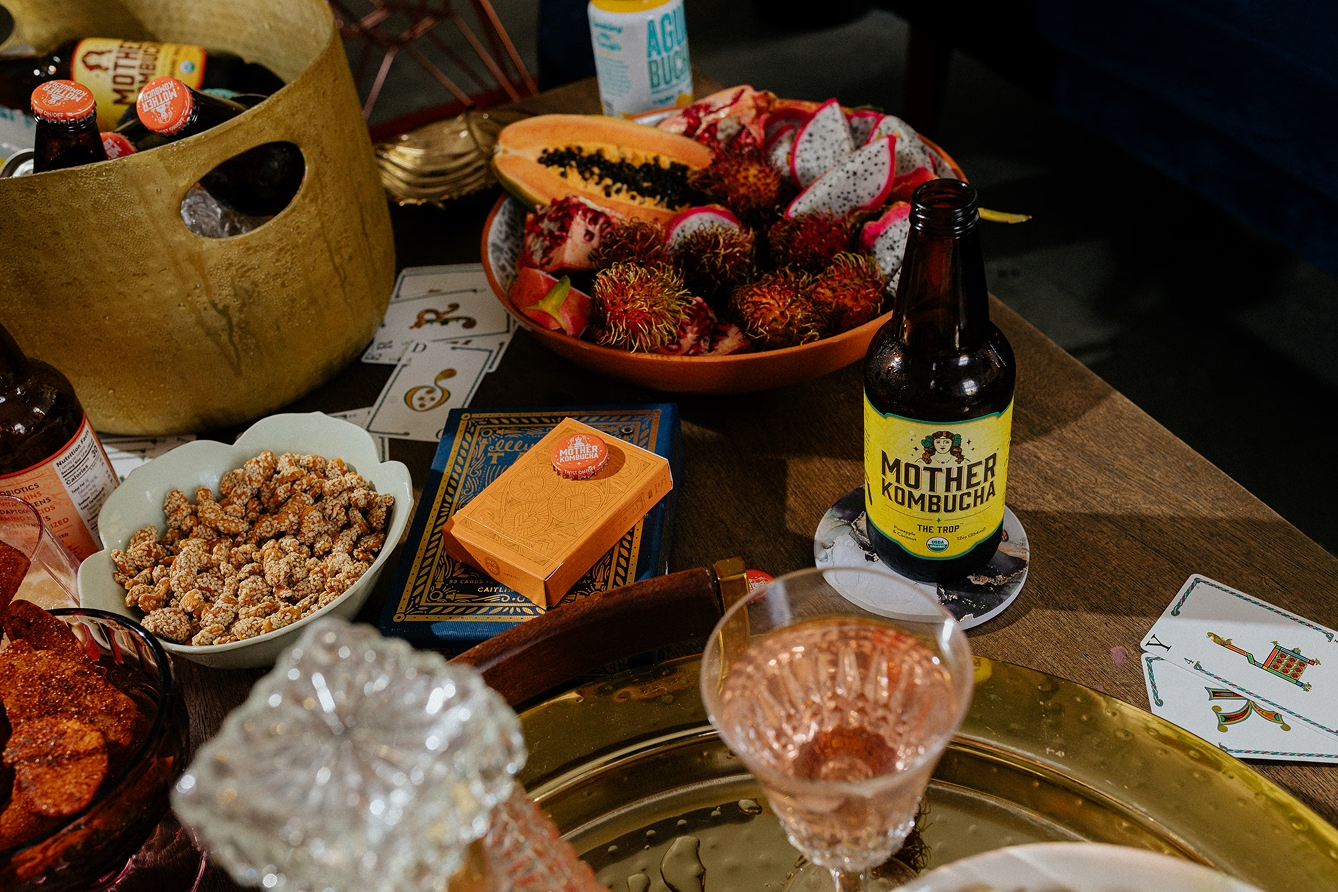
You don't need a major brand brief to build a convincing beverage portfolio. Spec projects that look and feel like real campaigns are how most beverage photographers build the portfolio that earns their first client.
A few approaches that can work:
Build a mini-campaign for a fictional brand. Develop a concept (a craft cold-brew launch, a sparkling water rebrand, a cocktail bar's seasonal menu) and photograph it as if you're delivering it to a real client. Three to five images that work as a set are more convincing than fifteen disconnected drink photos: a product hero, a lifestyle pour, a close-up that shows texture or carbonation, and a social-ready vertical. A spec project like this doesn't need to pretend to be something it's not to be useful: it demonstrates that you can think through a commercial brief, not just produce an attractive photograph.
Create work with local brands. Offer a reduced-rate or collaborative session to a local roaster, brewery, or bar that you're genuinely interested in working with. Treat every aspect of it the way you would a paid campaign: brief, produce, deliver, follow up. That work is real, it can be shared with permission, and it builds relationships with clients who refer.
Organize work as projects, not images. A portfolio that shows a cohesive set from one project tells a potential client that you can maintain a visual language across a full deliverable. Three images that clearly belong together say more than ten individually impressive ones that don't relate to each other.
VSCO Galleries is practical here: organize related images into project-specific galleries and share a direct link when pitching, or add it to your site. A potential client who opens a focused, well-curated beverage gallery from a single project immediately sees your commercial thinking rather than having to piece it together from a general portfolio.
VSCO Sites gives you the portfolio website that makes all of this discoverable: a clean, photography-first layout, an About page where you can articulate your beverage specialty and location, and a contact form that sends inquiries directly into VSCO Workspace as managed leads.
Beverage photography involves solving technical problems that aren't visible in the final image: condensation disappearing under hot lights, ice melting before the frame is ready, and glassware reflecting the ceiling, the camera, and everything else within a few feet of the set.
Backlighting reveals the color and translucency of liquids in ways that front or side lighting can't, but it also creates reflection challenges that require careful control of the environment.
Showing how you navigate these challenges does something a finished hero image can't: it demonstrates that you've done this before and you know how to manage it.
A brief behind-the-scenes note alongside a final image communicates professional competence in a way the image alone can't: "The condensation on this can was created by chilling the vessel and photographing within a tight window; a cross-polarizing filter controlled the reflections on the glass."
Case study context works similarly. For key portfolio projects, add two or three sentences: what the brand needed, your approach, and how the images were used.
A creative director evaluating whether to hire you is doing exactly this kind of evaluation. They want evidence that you can work within a brief, not just produce a beautiful image in an unconstrained environment.
Once your portfolio is ready, approach outreach with the same level of specificity.
Generic availability messages don't earn responses. Specific observations about a brand's current visual content, paired with a concrete idea, do.
Start with brands in your market. Local and regional beverage businesses are more accessible than national brands and more likely to respond to a direct pitch from a local photographer. Look at:
- Cafés, roasters, and coffee bars
- Craft breweries and taprooms
- Cocktail bars and restaurant beverage programs
- Sparkling water and kombucha brands
- Beverage startups preparing for a launch or DTC push
Then look for the specific opportunity. A brand that recently launched a new flavor but has only basic product photography is a clear pitch target. A local brewery with a strong taproom following but a sparse social feed has a visible content gap. A functional beverage brand whose imagery feels dated relative to their competitors has a positioning problem you can solve.
Identify the right person to contact.
- For small businesses, that's often the founder or a marketing generalist.
- At a mid-size brand, look for a marketing manager, brand manager, or creative director.
LinkedIn is generally the most reliable tool for finding the right name and title.
A message that says "I'm a beverage photographer available for work" gives a potential client nothing to respond to.
A message that references something specific about their brand and proposes a concrete idea gives them a reason to reply.
A structure that works:
Opening. One sentence that references something specific: a recent launch, a campaign, a product you noticed, something about their current visual content.
The opportunity. What you observed and what it points to. "Your spring seasonal launch is great, the can design is strong, but the photography on your social channels doesn't reflect the quality of the product."
Proof. One focused gallery link that shows work directly relevant to what you're proposing. Don't send your full portfolio. Send the project that best demonstrates your approach to their specific brief.
Next step. An easy, specific ask: "Would a short call to talk through a concept for the launch make sense?" or "I'd be happy to put together a brief scope and estimate if the timing is right."
The goal of the first email is to start a conversation. Everything else comes later.
Build the Concept Before the Call
When a client replies, the strongest next move is to show them the idea. VSCO Canvas gives you a place to do that, with ready-made templates so you aren't starting from a blank board.
The Pitch Deck template organizes a concept into four parts: a concept overview, visual style, mood and tone, and cast and talent.
For the beverage launch, that could mean the story behind the campaign, references for lighting and color, the atmosphere the imagery should carry, and styling direction for the people and props in frame.
For product-focused work, the Product Photoshoot template adds structure for creative direction, references, and deliverables. Search VSCO for reference images, add your own work, or generate a visual with AI when the exact image you're imagining doesn't exist yet.
Share the board with view-only access and the client can review it and leave comments on specific images, without needing a VSCO account to view it.
VSCO Canvas is available on every VSCO membership, starting with Free, on both mobile and desktop.
Once a brand is engaged, scope the project carefully before sending a quote.
A beverage brief can involve very different production requirements depending on what's included.
A single brief for a beverage photography client might cover:
- Six e-commerce product images on a clean background
- Three lifestyle images with a specific environmental context
- Alternate compositions optimized for specific social placements
- Short-form vertical content for a launch campaign
Each of those has different production requirements, different usage implications, and different commercial value to the client. Your quote should account for:
- Session time and pre-production planning
- Props, surfaces, and set materials
- Assistants or stylists
- Retouching and post-production
- Deliverables: number of final images, file formats, and sizes
- Licensing: where the images can appear, for how long, and in which territories
Be explicit about usage terms. An image licensed for organic social for one year has different commercial value from one licensed for paid national advertising campaigns in perpetuity.
Build licensing as a separate line item in your proposals rather than absorbing it into the session fee. It's one of the most common ways commercial photographers leave money on the table, and beverage brands with sophisticated marketing teams expect to discuss it.
Define what additional deliverables cost so the client can request them without requiring a full renegotiation: additional images, alternate crops, platform-specific formats, or extra social content all have clear add-on pricing.
Landing a beverage client is the first objective. Becoming the photographer they call for every product launch, seasonal refresh, and content push is how a single booking becomes a business.
Before production: Confirm the creative direction, shot list, products, surfaces, props, and location before arriving anywhere. A VSCO Canvas moodboard shared in advance gives clients something concrete to react to and reduces the chance of arriving with different visual expectations. Review the shot list with your assistant or stylist the day before. Prepare stand-ins for the actual product so you can test compositions, lighting, and reflections before the real beverage enters the frame. Condensation, carbonation, and pour timing can't be recovered once they're gone, so solving the technical problems in advance with a substitute protects the window when the real product is ready.
During production: Work efficiently. Beverage photography is often more time-sensitive than other product work because of how quickly the subject changes. Clear on-set communication and a well-prepared shot list keep the day moving and give the client confidence that you've done this before.
After delivery: Organize files clearly, deliver the formats the client needs, and send a polished gallery rather than a file dump. VSCO Galleries provides a clean, professional presentation: the client receives a single link, can review and download images from any device, and doesn't need an account or app. Delivery that feels as considered as the work itself makes a lasting impression.
After the project is done: Follow up three to six months later with a specific idea. A seasonal content refresh, imagery for a new SKU, a paid campaign push ahead of a key retail period. These outreach moments land better when they're specific and timed to something in the brand's calendar rather than sent as general check-ins.
Every well-executed project creates the conditions for the next one. After delivery:
- Ask for a testimonial you can feature on your portfolio site
- Confirm permission to share the work in your portfolio and on your profile
- Ask for a tag or mention if the brand posts the imagery
- Ask directly if they know any other brands who might need similar work
The beverage industry is a networked community, especially at the craft and independent level: a roaster knows other roasters, a brewery owner knows bar owners, and a marketing manager moves between brands. A specific ask for a referral, made at the moment a client is most satisfied with the work, tends to work far better than hoping they'll think to mention you.
How do I start beverage photography with no beverage clients?
Create spec projects that look like real campaigns: pick a product or a fictional brand, build a three to five image set that demonstrates a commercial brief, and repeat with different client types and aesthetics. Local brands willing to collaborate for credit and reduced rates are also a fast path to real portfolio work.
How is beverage photography different from general product photography?
Beverages have unique technical demands: condensation disappears, ice melts, liquids require backlighting or rim lighting to reveal color and translucency, and glassware picks up environmental reflections. These challenges are known quantities to experienced beverage photographers and visible liabilities to clients evaluating someone who hasn't worked through them before.
What should I charge for beverage photography?
Build your quote from actual scope: session time, pre-production, props and styling, retouching, deliverables, and licensing. Price varies widely: a single e-commerce product day for a regional brand costs far less than a full lifestyle campaign for a national launch. Price licensing separately from the session fee, based on media, duration, territory, and exclusivity.
Where do I find beverage clients?
Start locally: cafés, roasters, breweries, taprooms, cocktail bars, and beverage startups in your market are accessible and often responsive to direct pitches from local photographers. For larger brands, identify the creative director or marketing manager through LinkedIn and pitch a specific idea connected to something you observed in their current content.
How do I build a recurring relationship with beverage clients?
Follow up three to six months after delivery with a specific idea tied to their content calendar: a seasonal imagery refresh, a campaign for a new SKU, content for an upcoming launch or promotional period. Clients who receive a specific, timely idea from a photographer they've worked with before are far more likely to book than those who receive a generic check-in.
Beverage brands are evaluating more than your portfolio. They want to know how you'll handle condensation, manage reflections, make a liquid look alive rather than flat, and deliver a consistent visual system across the full set of deliverables.
The portfolio that demonstrates you've solved those problems, the pitch that shows you've thought specifically about their brand, and the process that makes every client interaction feel considered and professional: those are what build a beverage photography practice that grows.