The fitness industry runs on visual content. Personal trainers need professional portraits before they launch a new program. Boutique studios need imagery that communicates their atmosphere before someone will pay for a class. Apparel brands need product and lifestyle content on a rolling schedule that follows their release calendar.
The demand is real and growing. Because fitness brands need new content continuously, not just occasionally, fitness photography is one of the few commercial niches where a photographer can build stable recurring income rather than chasing individual projects. The challenge is getting in front of the right clients, with the right portfolio, at the right time.
This guide covers how to define your position in the fitness market, build a portfolio that fitness clients immediately recognize as relevant to them, find and pitch the right clients, structure your services for repeat business, and deliver an experience that keeps clients coming back.
In this guide:
- Choose a Fitness Photography Niche
- Match Your Style to the Brand
- Build a Portfolio That Speaks to Fitness Clients
- Find and Pitch Fitness Clients
- Structure Your Services for Recurring Work
- Set Clear Expectations Before You Start
- Deliver an Experience That Earns the Next Booking
- Frequently Asked Questions
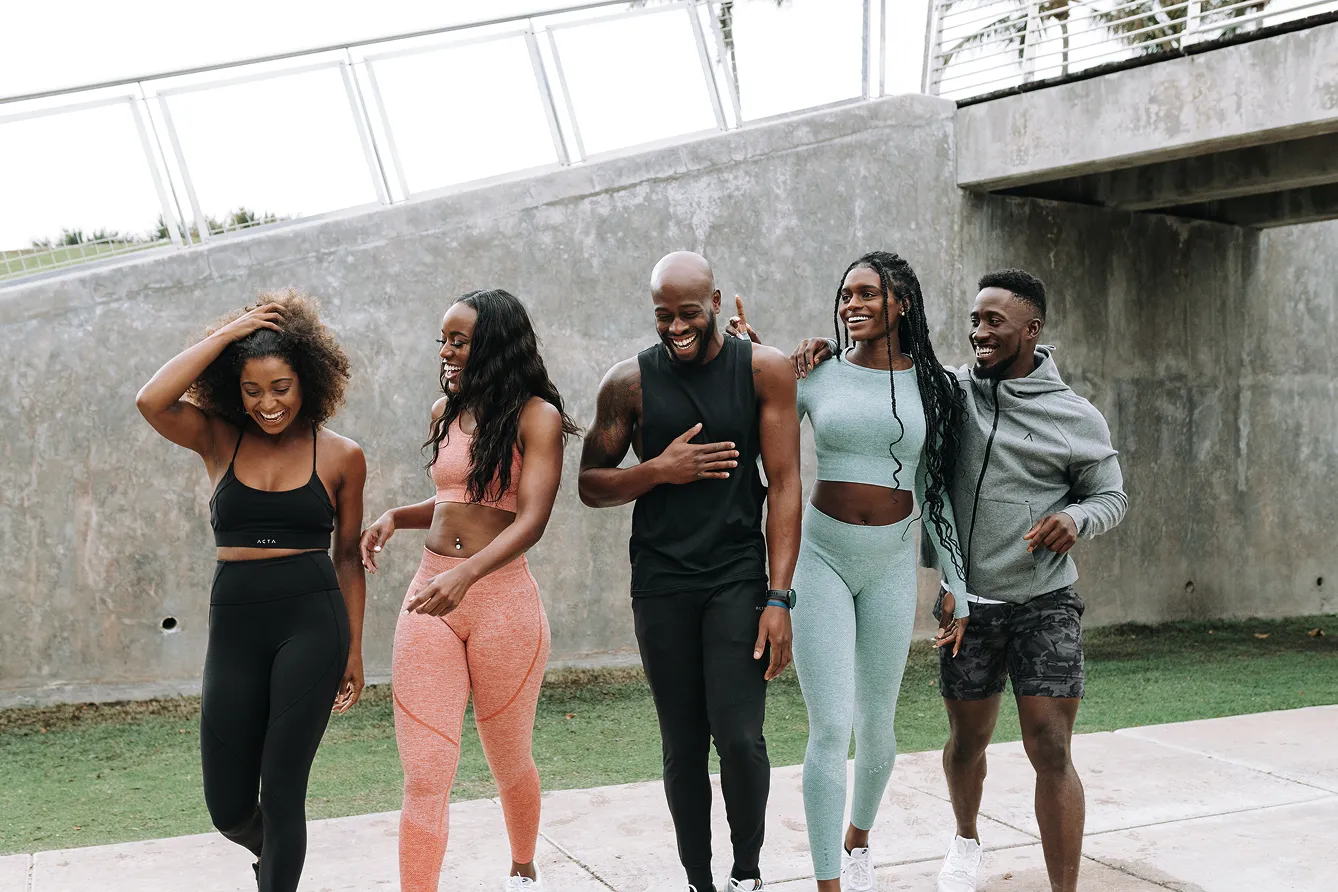
The fitness industry is broad enough that "fitness photographer" communicates almost nothing to a potential client. The narrower your position, the more clearly a specific type of client can see that you understand their work.
The most viable niches for fitness photography:
- Personal trainers and coaches. The fastest-growing segment of the fitness market. Individual trainers and online coaches need professional portraits, movement demonstrations, coaching session imagery, and content that helps potential clients feel comfortable before they book. This client type tends to have modest budgets but consistent content needs and strong referral networks within the training community.
- Gyms and boutique studios. Facility photography, class environments, member interactions, and community-focused lifestyle imagery. Research consistently shows authentic facility photography outperforms stock in driving memberships. These clients need real images of real spaces and real people. Boutique studios, in particular, compete on atmosphere and community feel, which makes photography more central to their marketing than it is for a big-box gym.
- Apparel and equipment brands. Product photography, lifestyle campaigns, and dynamic athlete imagery. These clients are the most commercially sophisticated and pay the most, but they also have the most defined briefs and the highest production expectations. A strong portfolio of similar work is essential before pitching at this level.
- Supplement and wellness brands. Product imagery, athlete content, and lifestyle photography. Content needs are high-volume and frequent, driven by social media calendars and regular product launches.
- Fitness events and competitions. Action imagery, crowd moments, sponsor placements, and fast-turnaround event coverage. Events create a natural entry point for relationship-building within the fitness community.
Think through what each type of client is actually trying to accomplish with their photography. A personal trainer needs approachable images that lower the psychological barrier to booking a session. An apparel brand needs imagery that communicates how their product performs and looks in motion. Different goals, different visual requirements, different briefing conversations, and different packages.

Within fitness photography, the visual approach varies significantly by client type. A boutique yoga studio often wants soft, natural imagery with a calm, unhurried quality. A strength-training brand is more likely to want dramatic lighting, high contrast, and images that communicate physical intensity. An online nutrition coach needs a warmer, more accessible feel than either of those.
Before any production, ask the client about:
- The brand and its audience
- Campaign goals and what success looks like for this project
- Which platforms and channels the images will appear on
- Orientation and aspect ratio requirements for intended placements
- Location, wardrobe, and prop considerations
- Image usage: where, how long, and whether exclusivity is involved
How the images will be used shapes nearly every creative decision: what you're framing for, how much negative space you need, whether to emphasize product detail or environmental context, how fast to move through setups. Getting that information before the session keeps the creative direction aligned with the actual deliverable from the start.
A focused pre-production brief, shared in advance via VSCO Canvas, lets you gather references, align on the visual direction, and give the client something concrete to react to before anyone arrives on set. A client who has reviewed and approved the creative direction is significantly easier to work with on the day.
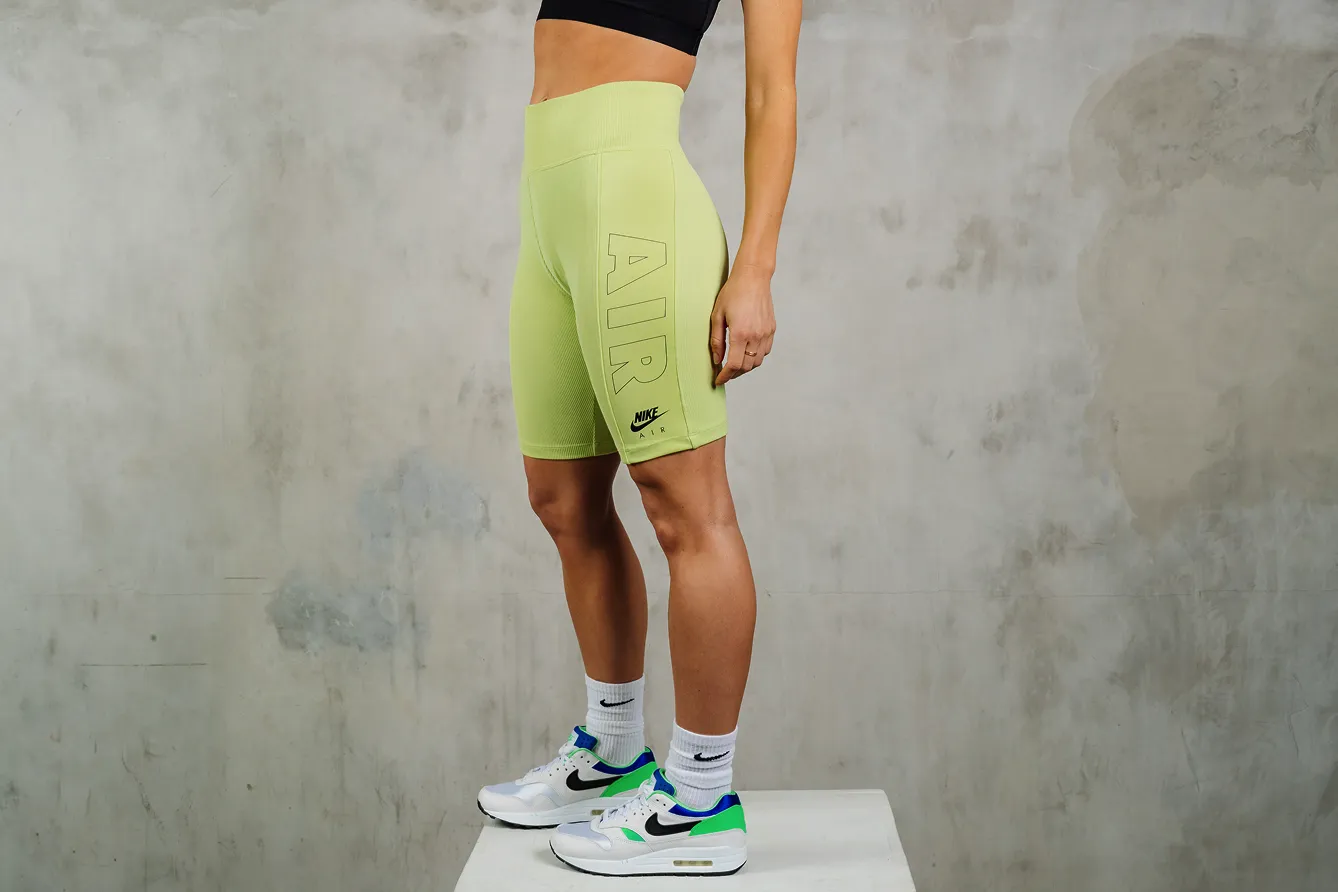
A fitness client evaluating your portfolio is asking one question: can this photographer create the kind of content my brand needs? The portfolio that answers that question most clearly wins, regardless of technical polish.
Curate for the clients you want, not the work you have. If you want to work with personal trainers, show personal trainer work. If you want apparel brand clients, show apparel-style imagery. A strong portfolio from an unrelated niche, however technically excellent, is harder for a fitness client to translate into confidence that you can do their specific work.
Build for authenticity, not perfection. Research across fitness marketing consistently shows that authentic images of real people in real environments drive better engagement than aspirational or stock-adjacent photography. The image of an actual class in session at a real studio, with real members, performs better than a perfectly lit, perfectly staged version of the same scene. If your fitness portfolio currently skews polished and conceptual, add some rawer, more documentary-style work to demonstrate that range.
Organize by project, not by image. A series from one trainer, one gym launch, or one campaign shows potential clients something a collection of individual favorites doesn't: that you can maintain a cohesive visual language across a full deliverable. A single well-executed project tells a client more than twenty individually impressive images pulled from twenty different contexts.
For brand clients especially, turn key projects into brief case studies. What was the brief? What was your approach? How were the images used? Two or three sentences of context transforms an image from a portfolio piece into evidence of commercial thinking.
VSCO Galleries is a practical tool for organizing and sharing project-specific work with prospective clients. Build one gallery per project, curate the sequence, and share a clean link with no account or app required for the recipient.
VSCO Sites gives you the portfolio website that makes all of this discoverable and professional: a photography-first layout, an About page that explains your specialty and location, and a contact form that routes inquiries directly into VSCO Workspace as managed leads.

Build relationships before you need them. The most reliable source of fitness photography clients, especially early on, is the fitness community itself. Attend local events, connect with trainers and studio owners, join fitness groups both in person and online. These aren't sales conversations. They're relationships that eventually become referrals, collaborations, and direct bookings. The fitness community is highly networked. A trainer who has a great experience working with you will mention you to other trainers.
Create work with local clients to build the portfolio. The fastest path to a credible fitness portfolio is offering reduced-rate or collaborative sessions with local trainers and athletes in exchange for creative control and usage rights. Treat every collaboration (paid or not) as professionally as a campaign: brief, produce, deliver, and document it. That body of work becomes the portfolio that attracts paying clients.
Pitch with a specific idea, not a general availability notice. When reaching out cold to a fitness brand or trainer, skip "I'm a photographer available for hire." Instead, research their content, identify something specific, and present an idea. A trainer who posts workout videos but has only phone-quality headshots might need professional portraits for their website and coaching packages. A new boutique studio opening in your area needs launch imagery before they can run effective digital ads. Name the specific opportunity, explain how you can address it, and suggest a concrete next step.
A useful pitch structure:
- Reference something specific about their brand or current content
- Identify a specific visual need or opportunity
- Explain how your work addresses it
- Propose a concept or session type
- Offer a clear, easy next step
Partner with adjacent creatives. Collaborations with nutrition coaches, videographers, stylists, and athletes expand your portfolio and introduce you to new audiences. Establish usage rights and posting permissions upfront, and treat every collaboration with the same professionalism as a paid project. The relationships built on collaborative work are often the most durable.

The structural advantage of fitness photography over many other commercial niches is that fitness clients need content continuously. A personal trainer launching a new program, a gym running seasonal promotions, an apparel brand with a quarterly release schedule: all of these generate regular content needs. A photographer who structures their services around that reality can turn a single booking into a long-term relationship.
Package by client type and content need rather than by hours or image count. A trainer who understands they're getting "a personal brand session that gives them four weeks of social content" knows what they're buying in a way that "three-hour session, 30 images" doesn't communicate.
A starting framework:
Help clients understand the downstream value. One well-planned content session could give a trainer weeks of social posts, website imagery, email campaign assets, and promotional materials. A gym's quarterly content day could cover all the seasonal content their marketing team needs for the next three months. When clients understand the return on what they're investing, they're more likely to book on a recurring schedule rather than treating each session as a one-off decision.
Offer add-ons that solve real problems. Rush delivery for time-sensitive launches. Advanced retouching for hero images. Short-form video clips alongside stills. Recurring quarterly content sessions with a built-in rate. These aren't upsells. They're solutions to things clients are already navigating.
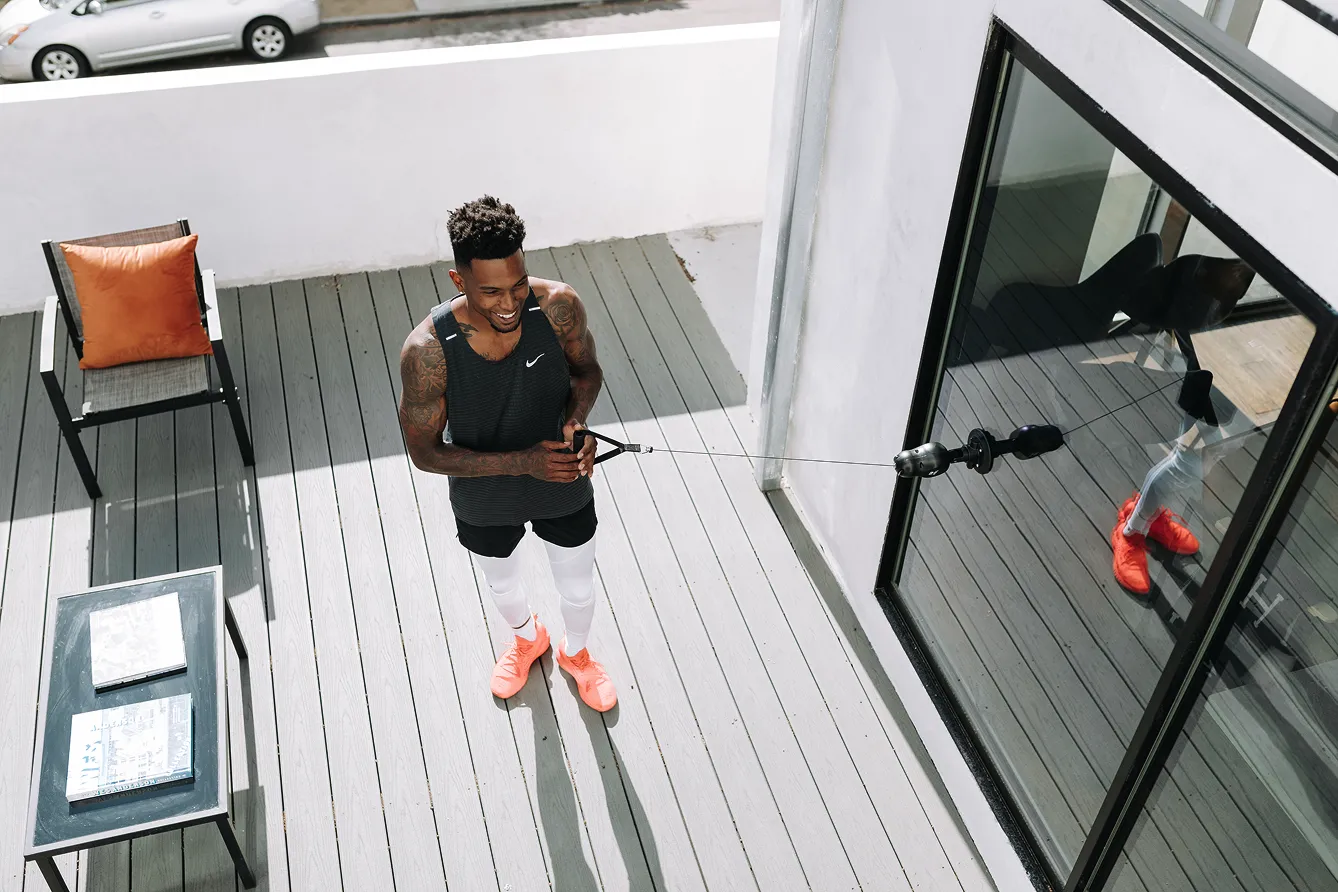
Fitness content ends up across a wide range of channels: social media, websites, paid advertising, email campaigns, print, and out-of-home. Usage and licensing terms need to be established clearly before production begins.
Before any project, confirm:
- Where the images will appear
- How long the client can use them
- Whether paid advertising is included in the usage
- Whether exclusivity is requested, and if so, for which competitive category
- How many final edited images are included
- Revision expectations
- Payment schedule and cancellation terms
These aren't bureaucratic formalities. They're the foundation of a professional relationship that avoids the friction that comes from misaligned expectations after delivery. A client who knew upfront what they were getting is easier to work with throughout the project and more likely to rebook.
VSCO Workspace keeps the business side organized: contracts, invoices, questionnaires, and client communication all in one place. Confirm session details in writing, set a delivery timeline, and communicate any changes quickly. The less time spent managing process, the more that goes into the work itself.
%201.avif)
Delivering strong images on time is the baseline. The photographers who build lasting relationships with fitness clients do a few things beyond that.
Deliver a preview shortly after the session. A small selection of preview images within 24-48 hours keeps the energy of the session alive and signals reliability. Follow through with the complete gallery on the timeline you promised. Consistency builds trust more durably than any single excellent image.
VSCO Galleries makes delivery professional: a clean, private gallery with a shareable link, no account required for the client to access, download controls you manage, and optional password protection for sensitive campaign work before launch.
Stay in touch after delivery. Thank the client, ask for feedback or a testimonial, and look for natural opportunities to suggest the next session. A trainer launching a new program, a gym refreshing their seasonal content, an apparel brand with a product drop on the horizon. These are natural moments to reach out. The clients who book you repeatedly aren't doing it because you were memorable. They're doing it because you made the process easy and the work was strong.
Ask for referrals directly. The fitness community is tight-knit. A trainer or studio owner who had a great experience working with you knows other trainers and studio owners. A direct ask ("if you know anyone who might need similar work, I'd love an introduction") converts at a much higher rate than hoping clients think to mention you on their own.
How do I start fitness photography with no fitness clients?
Create work with local trainers and athletes using collaborative or reduced-rate sessions in exchange for creative control and usage rights. Treat each project professionally: briefing, producing, and delivering it as you would a paid campaign. That body of work becomes the portfolio that attracts paying clients.
What should I charge for fitness photography?
Fitness photography rates vary widely by client type, market, and scope. Personal trainers in most markets expect to pay $300-800 for a personal brand session. Boutique studio content days typically run $500-1,500 depending on scope. Apparel and supplement brands with campaign budgets run significantly higher, with day rates starting around $800-1,200 plus licensing. Build your pricing from your cost of doing business and desired income, not from what competitors are charging.
How do I approach gyms and studios about photography?
Research the gym's current content before reaching out. Identify a specific gap (low-quality facility photos, no action imagery from their classes, an upcoming opening or rebrand) and pitch that specific opportunity. A cold email that references something specific about their brand and proposes a concrete idea gets far more responses than a general availability note.
How do fitness photography clients find photographers?
Primarily through referrals within the fitness community, and increasingly through Google search and social platforms. A portfolio website that includes your location and specialty in the page title and headers (e.g., "fitness photographer in Denver") makes you findable by local trainers and studios searching for a photographer in their market.
What's the difference between fitness photography and sports photography?
Sports photography typically focuses on competitive athletic events: capturing peak action moments, often in challenging lighting conditions with telephoto lenses. Fitness photography is broader: it covers the lifestyle, branding, and marketing content that fitness businesses use to communicate who they are and attract clients. The technical demands overlap, but the commercial context and the types of clients are distinct.
Build the Business Around the Work
The fitness industry's shift to always-on content marketing means fitness brands need photography partners who understand their business, deliver reliably, and stay present between projects. That's the opportunity. The photographers who capture the most of it aren't necessarily the most technically skilled. They're the ones who positioned clearly, built relevant portfolios, and made themselves easy to work with at every stage.
Start with the clients in your immediate network. Build from there.