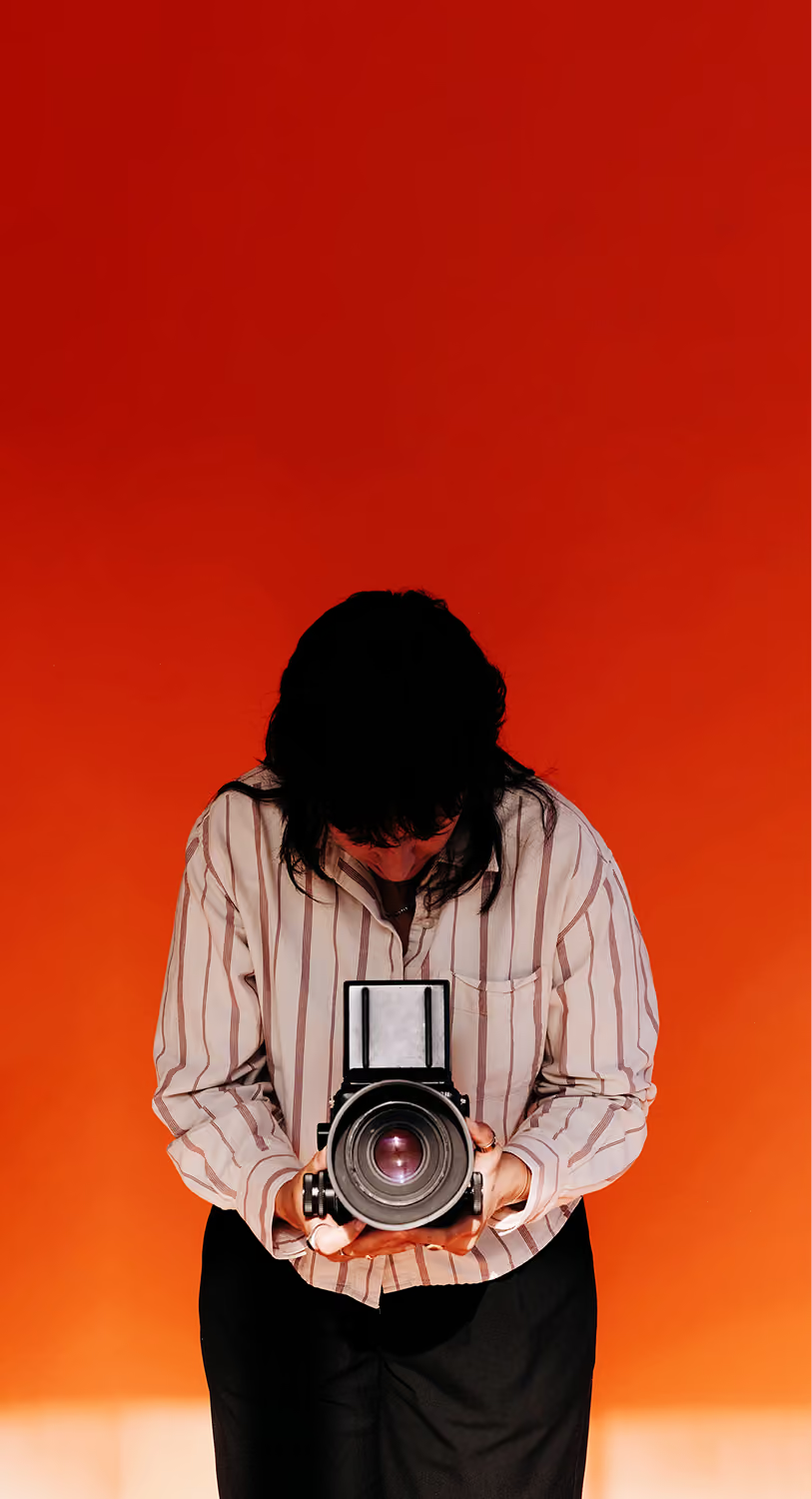
With more than 20 years as a professional photographer, I still look to colleagues and gallery experts for advice and best practices on ways to gain image sales as variables like pricing structures and industry standards on fees change year by year with the market and economy.
Your photography network is your most valuable asset and will guide you, especially in your local market, and learning a few core elements will open your path to a successful photography career, which is truly for most photographers 90% sales and networking, and 10% creation.
Exhibiting your photography in a gallery or a show is a distinctive opportunity to engage with collectors, curators, and art enthusiasts. It’s not only a chance to present your artistic vision but also to turn admiration into acquisition.
Whether you’re a seasoned artist or making your debut in the gallery circuit, understanding the subtleties of art sales can elevate your experience and ensure lasting success. Below, I’ve outlined essential strategies to guide you through the entire process, from preparing for your exhibition to nurturing long-term relationships with your collectors.
Decoding Gallery Commissions: What to Know Before You Showcase
Understanding the gallery commission structure is critical. Most galleries take a 40-50%commission on the sale price of your work, with some elite galleries commanding up to 60%.Smaller or emerging galleries may offer more favorable terms, with commission rates around 30-40%.
Be sure to have this agreement in writing and stay aware of additional costs that may impact your final earnings, such as marketing fees, framing expenses, or shipping logistics. Transparency around these details will ensure a clear financial relationship and avoid surprises post-sale.
First Impressions: Crafting a Confident, Approachable Presence
Your demeanor in the gallery is as important as the art you’re displaying. This is your opportunity to leave a lasting impression, not just through your work, but through how you engage with visitors.
Stand confidently near your pieces, ready to interact, but avoid hovering. A warm, approachable attitude—welcoming eye contact, a genuine smile—can set the tone for an engaging conversation. Visitors aren’t just considering buying art; they’re connecting with your narrative, your passion, and your creative journey.
Speak about your work with conviction and curiosity. Offer insights into your process or the inspiration behind specific pieces, but keep it concise and authentic. Enthusiasm paired with authenticity can capture the interest of potential buyers and invite them into your world.
This can be intimidating to even the most outgoing artist because speaking about work is very personal, so practice what your elevator pitch is in advance of your show.
Presenting Yourself: A Reflection of Your Artistic Vision
Your appearance in the gallery space is an extension of your art itself. Just as your photographs communicate a visual story, the way you present yourself should align with your work. Professional attire is essential, which can absolutely be fun and creative, as it reflects your seriousness as an artist and invites potential collectors to see you as a polished, thoughtful creator.
Choose attire that is sophisticated yet reflective of your personal and artistic identity. Your presentation influences how people perceive the value of your work—everything from your business card to your wardrobe creates an impression.
For example, “use an iron, have clean nails” as my mother would say. The details matter and collectors are often looking at an entire presentation, not only the work on the wall. In a gallery setting, you become a living representation of your art, so how you carry yourself can leave a lasting mark on those who engage with your work.
Engaging Potential Collectors: The Subtle Art of Conversation
Engaging with potential buyers should feel natural, not transactional. Initiate conversations with open-ended questions like, “What draws you to this piece?” or “What do you think of the exhibition?”
Take a deep breath and ask these kinds of inquiries to invite guests to share their thoughts and experiences, fostering a genuine connection. It can be tempting to fill the space with chatter when you are nervous; allow for the silence.
If a particular piece resonates with a visitor, take this as an opportunity to share a bit more—whether it’s the creative process or a story behind the artwork. Art collectors often connect to the narrative as much as to the visual itself, so sharing a glimpse of the story behind your work can turn admiration into investment. Practice this narrative in advance.
Buyers don’t just purchase artwork; they invest in the story behind it and the artist who created it. Share the inspirations, challenges, and processes that brought your work to life. Authenticity resonates deeply, and sharing these intimate details can turn casual visitors into dedicated collectors.
Prepared for Precision: Offering Key Information with Elegance
When a visitor expresses interest in purchasing your photographs, it’s essential to provide all the necessary information with clarity and professionalism. Confidence and transparency are key:
- Pricing: Clearly state the price, and mention any variations (e.g., framed vs. unframed, or different sizes).
- Edition Information: If the work is part of a limited edition, highlight its exclusivity—buyers are often drawn to the rarity of a piece and appreciate knowing the edition number they’re acquiring.
- Medium & Dimensions: Share the medium (canvas, archival paper, etc.) and the size of the photography prints. Understanding the piece’s physical presence is often crucial in helping a buyer make their decision.
Flexibility and Patience
Not every sale happens immediately, and potential buyers may express concerns—whether it’s about the price, size, or other factors. Stay poised and professional. Offer alternatives, such as smaller prints or more affordable options. If the gallery allows, discuss flexible payment options like payment plans. Your goal is to help the buyer feel confident in their decision without feeling pressured or rushed.
In these moments, maintaining a calm, open demeanor can turn hesitation into action, allowing the buyer to make a thoughtful and satisfying choice.
Closing the Sale: Ensuring a Seamless Transaction
When the moment to close a sale arrives, preparation is key. Ensure you’re able to process payments easily—credit cards, PayPal, Venmo, or other popular methods should be readily available. Having the right tools (such as a card reader or payment app) on hand is essential to avoid any delays.
If the buyer cannot take the artwork home immediately, arrange for smooth shipping. Be clear about any associated costs and provide an expected delivery timeline. For larger or more delicate pieces, mention any special handling that may be required. Always provide an invoice with details about the piece, including its title, medium, dimensions, and price. For limited editions or original works, offering a Certificate of Authenticity adds a layer of validation and provenance.
Building Lasting Relationships: The Importance of the Marketing Funnel
The sale doesn’t end with the transaction—it’s the beginning of a potential long-term relationship. Every interaction, whether in person or through follow-up, feeds into a broader marketing funnel. This is where you transform casual interest into future engagement, cultivating a collector base over time.
To achieve this, you must be proactive in maintaining communication. Start by ensuring that interested visitors and buyers are added to your mailing list. Use a digital tool such as a tablet or an app to collect emails at the event, or provide a QR code that leads to a sign-up form. This allows you to keep them updated on future exhibitions, new works, or even exclusive offers. Regular newsletters or updates—sent thoughtfully and sparingly—will keep your audience engaged and remind them of your work.
Maintaining a mailing list is a key part of the photographer’s marketing funnel, guiding potential collectors through stages of awareness, consideration, and ultimately, future purchases. Think of it as a pipeline: initial interest should be nurtured into lasting support. Periodically updating your list with fresh content about your creative journey, upcoming shows, and new collections helps reinforce these relationships and increases the chances of repeat sales.
Follow-Up: The Art of Staying Connected
A follow-up, whether through a thank-you email or a personal note, is a vital part of building this long-term rapport. After a sale, confirm shipping details and express your gratitude for their support. This small gesture leaves a positive lasting impression and opens the door for future interactions.
Additionally, when sharing new works, exclusive previews, or upcoming exhibition invitations, those who’ve bought from you before are more likely to become repeat collectors. Whether they’ve purchased one piece or simply expressed interest, following up is about deepening the relationship and keeping them in your creative loop.
Whether a photography sale is made or not, every interaction at the gallery is an opportunity to leave a positive, lasting impression. Even those who don’t purchase may recommend your work to others or return for a future acquisition. Every conversation has the potential to spark future interest or sales.