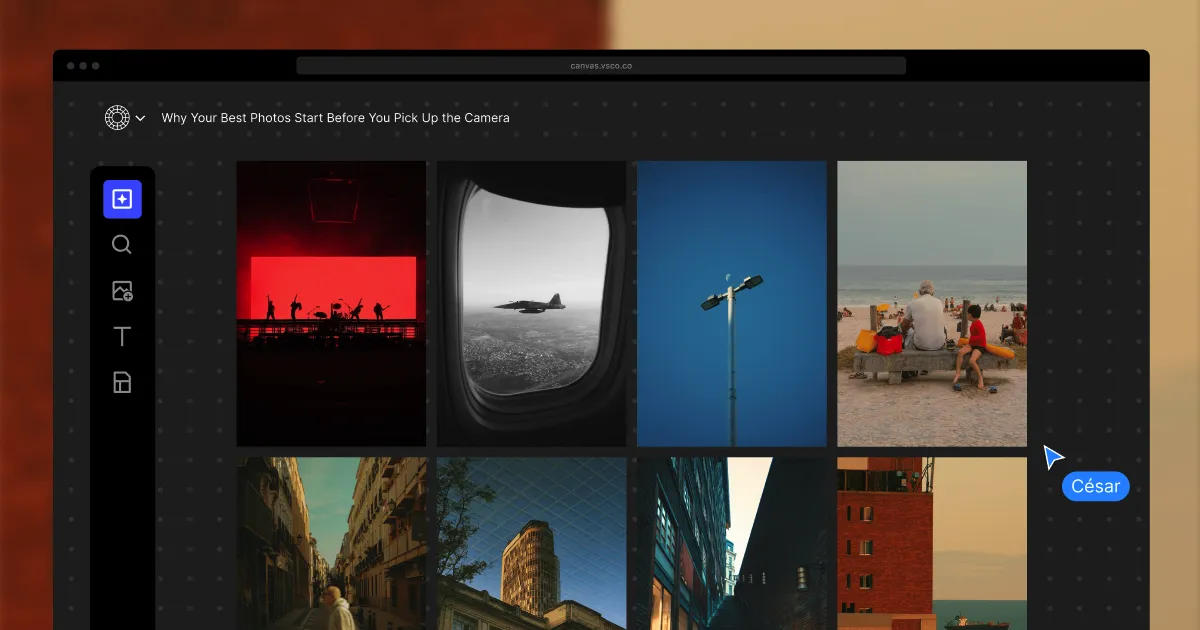
One of the questions I get asked the most whenever someone likes one of my photographs is, "What camera did you use?"
It's a fair question, and I probably would've asked the same thing myself years ago.
But after making a living from photography for more than twenty years, I've realized that the images I'm most proud of rarely started with the camera that happened to be in my hands. Most of them began much earlier, at a moment when I wasn't even thinking about taking a picture yet.
A few times in my life, I've traveled because of a single photograph I found somewhere on the internet. It wasn't because I wanted to recreate it, and it definitely wasn't about standing in the exact same spot to come home with the exact same picture. There was simply something about that image that wouldn't leave me alone.
I've done that in Barcelona, in Stockholm, and in a few other places over the years.
I went there carrying someone else's photograph in my head, but once I arrived, I wasn't looking for that frame anymore. I was trying to understand what had made that person stop, and somewhere along the way I ended up finding my own photograph instead.
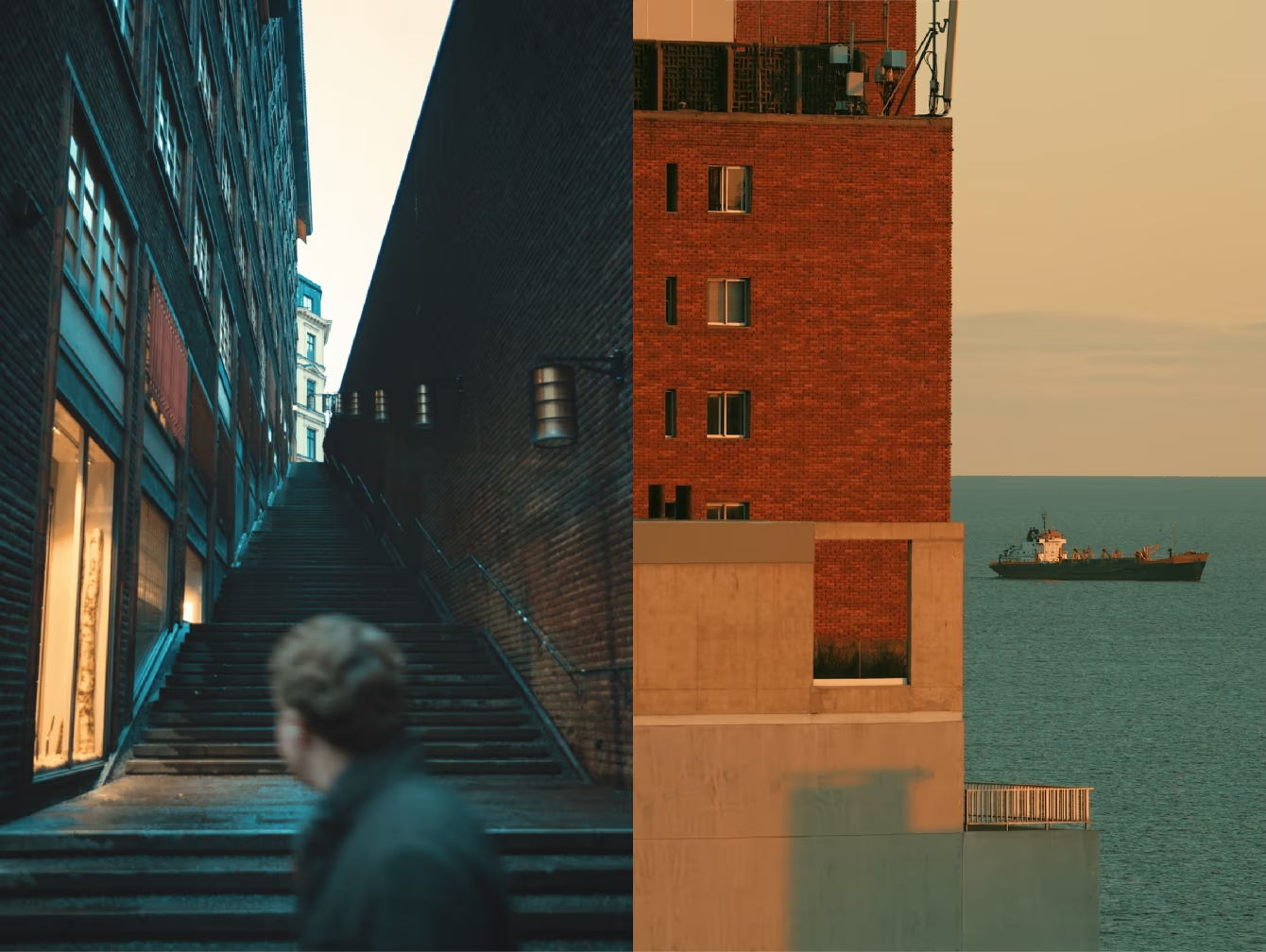
Organizing photos and inspiration
I've always kept the photographs that inspired me, even if I didn't always have a good way to organize them.
Sometimes they were screenshots, sometimes bookmarks, and sometimes they just lived somewhere in my memory until they resurfaced months later.
Today, tools like VSCO Canvas make that process a little easier. You can keep those images together, not as photographs to recreate, but as a collection of the images that keep catching your eye.
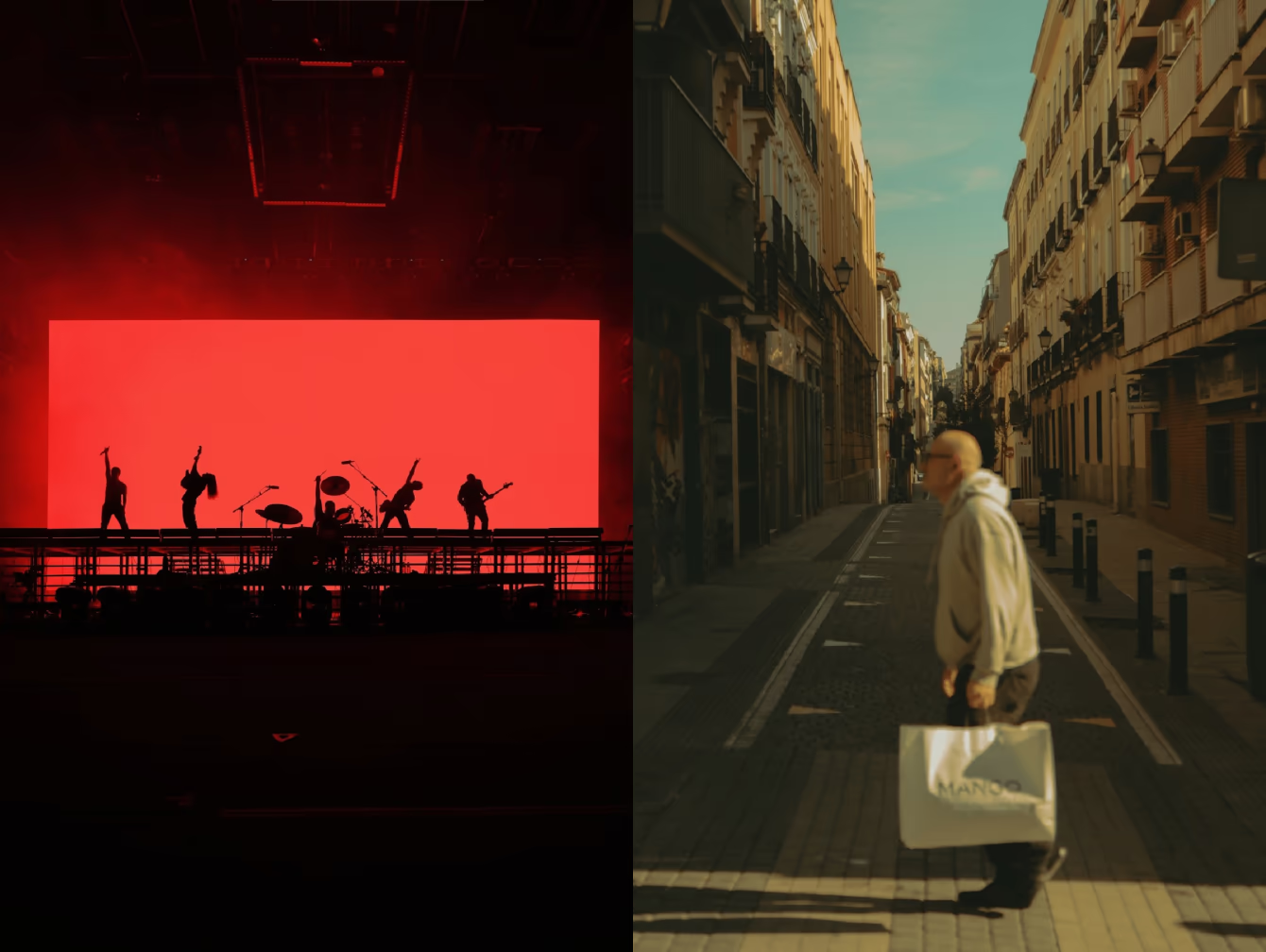
Maybe that's why I've never been able to think of photography as something purely technical. Of course technique matters, knowing your gear helps, understanding light makes a difference, and editing is part of the process.
But none of those things tells you where to point the camera.
That part usually happens first, in a moment that's difficult to describe and almost impossible to force. It's simply that feeling that makes you stop for a few seconds while everyone else keeps walking.
When I look back at my favorite photographs, I almost never remember the settings I used. I remember what the place felt like, why I stopped, what was happening around me and, sometimes, even the smell of the street or the song that happened to be playing nearby.
The photograph almost feels like the consequence of that experience, not the reason for it, and maybe that's why I've never really liked the idea of photographing without much intention and trying to figure everything out later in editing.
It's not because I think there's a right or wrong way to work. It just doesn't feel like my way of doing things. I like feeling that the photograph already exists before I even open my computer, and editing becomes less about changing the picture than about getting a little closer to what made me raise the camera in the first place.
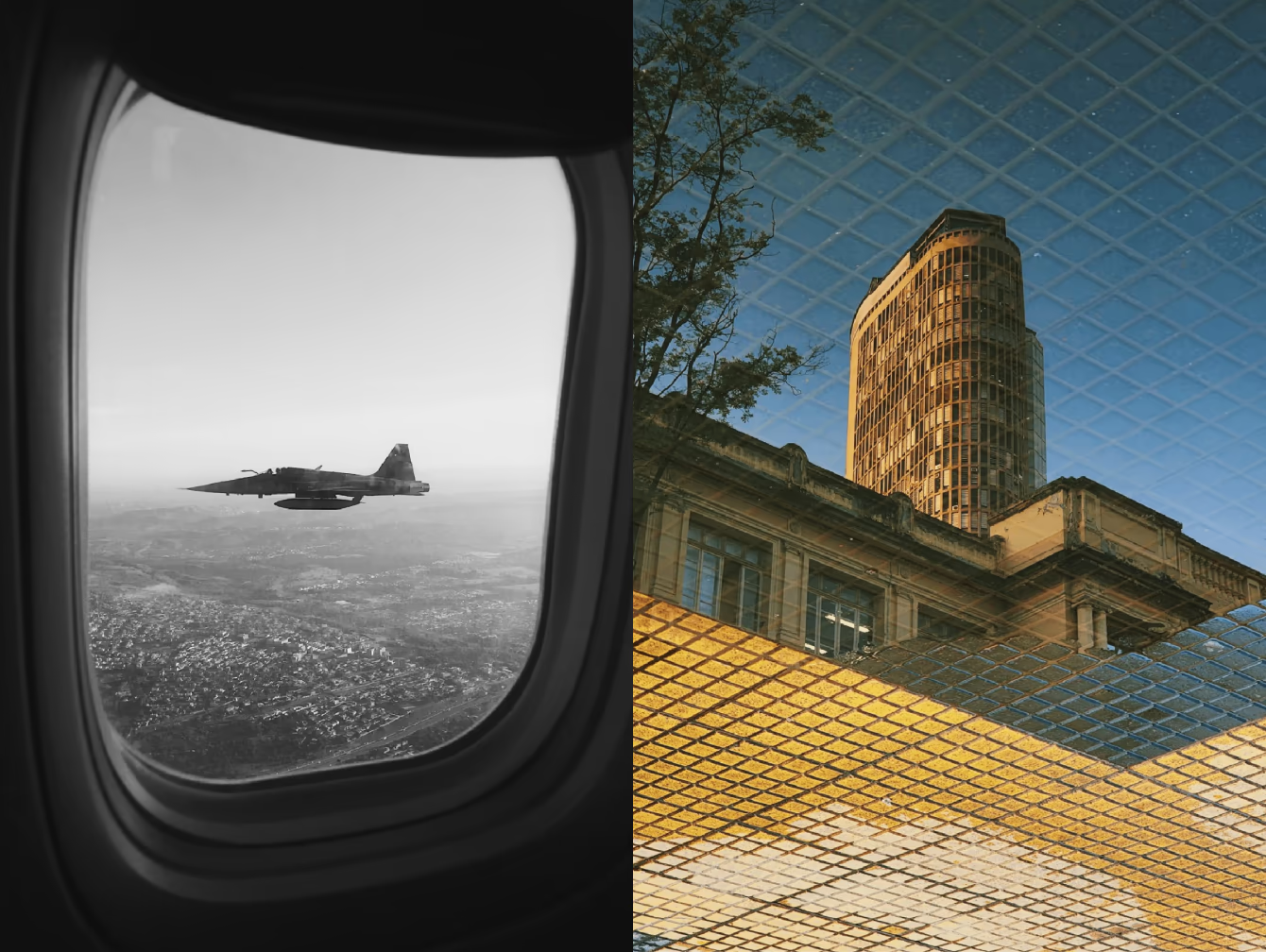
When I think about the photographs I've made over the years, whether in São Paulo, Madrid, Stockholm, or anywhere else, I realize that the place itself is rarely what stays with me.
It's always the feeling of being there.
The photograph becomes my way of holding onto that feeling before it slowly disappears, even though the moments themselves are usually incredibly ordinary.
Sometimes it's just a reflection in a window, a shadow on the sidewalk, someone crossing the street, or beautiful light coming through a doorway.
None of those things sounds particularly special when you describe them like this.
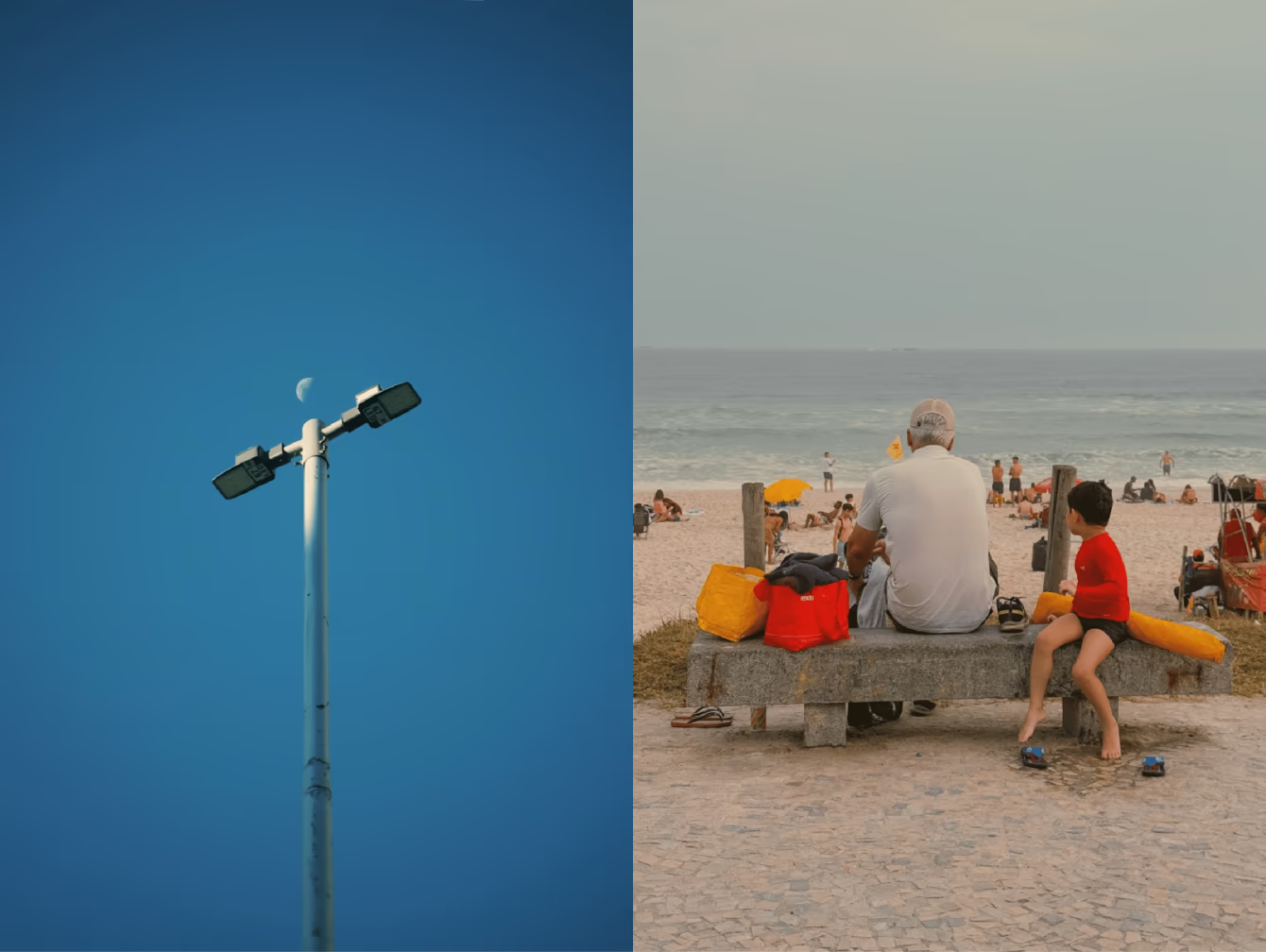
But photography has never really been about what's in front of the camera. It's always been about the way someone chose to look at it, and that's why I still believe the best photographs begin before the shutter.
They begin the moment something makes us pay attention.