“I don't really have a neat way to describe it. It has a lot to do with feeling and being honest to how I feel on a particular day. I love light, and shadow too. That's the starting point.”
Yasumi Toyoda doesn't separate photography from living. Based in Kamakura, Japan, she describes her practice the way you'd describe breathing. It's in between everything else, part of how she sees, collects ideas, and moves through the world.
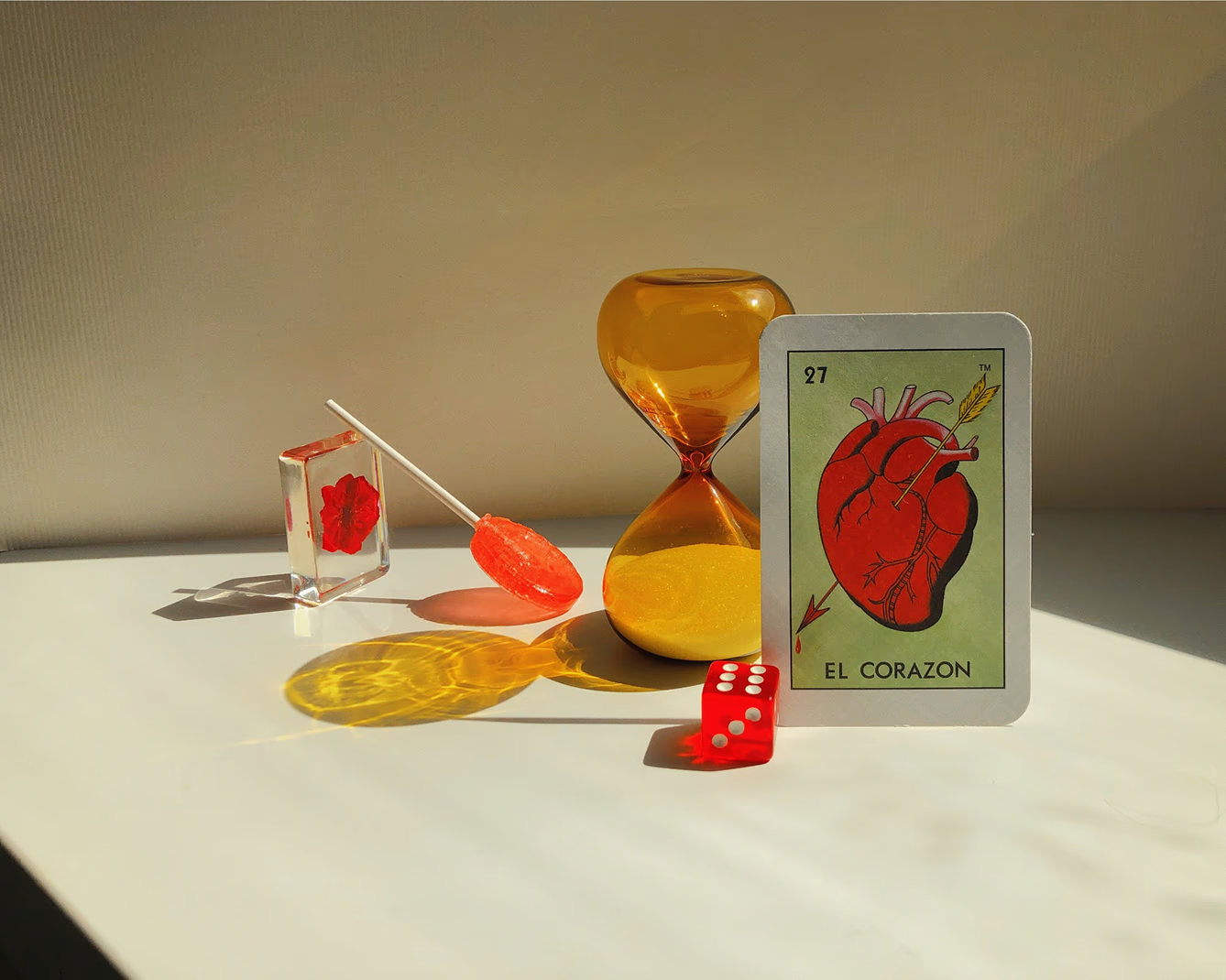
Her work follows light and shadow, the ephemeral and the fleeting, the feeling of a particular day rather than a particular subject. It's honest photography. Not staged, not constructed, just closely observed.
VSCO Prompts fit into that naturally. Not as assignments or creative briefs, but as gentle interruptions—moments where a theme breaks her usual habits just enough to let something unexpected in. In this conversation, Yasumi talks through the prompts that stayed with her and why looking at other submissions isn't optional.
1. How would you describe your photography?
I don't really have a neat way to describe it. It has a lot to do with feeling and being honest to how I feel on a particular day. I love light, and shadow too. That's the starting point.
The way it's ephemeral, shifting, never settling, and capable of surprising us. The way it animates whatever I'm looking at. There's a kind of joy in it that I keep going back to.
2. How about your photographic practice?
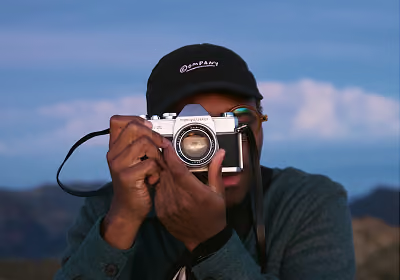
Artist! But in that sense it's not separate from my life. I take photos in between everything else. It's become part of my lifestyle, the way I see, collect ideas, meditate.
3. How do you discover new prompts?
I love your blog and editorials, that's how I discover your prompts. They are always interesting and inspiring, so submitting to your prompts feels like a natural thing to do. It feels nice to engage with a platform in this way. More meaningful, somehow.
4. How do you decide a prompt is interesting to submit to?
I guess it comes down to feeling if the prompt resonates with me on some level. You guys seem adept at creating prompts that speak to people on a very relatable level that extends beyond any barriers or borders.
“Maybe it is actually less about responding to the prompt and more about letting it interrupt me. That interruption is where something new slips in.”
5. What are two of your all time favorite prompts, and why?
Great question! I remember loving #FRESHTAKE.
There was something alive in the way people played with their usual ways of seeing. Images felt reimagined rather than just taken. Familiar things came back altered, a little off-center, and that shift made them sparkle in my mind.
#LOWLIGHT is another. I remember lingering there. The images held atmosphere in a way that felt almost physical. Those photographs didn't just sit on the screen, they reached.
6. Has submitting to prompts ever led to connections with other photographers, professional opportunities, or exhibitions?
I think I discovered Burak Boylu from submitting to prompts, and I consider that a bit of brilliant "luck." He's a good guy.
7. What would you say is the biggest impact that prompts have on your photography?
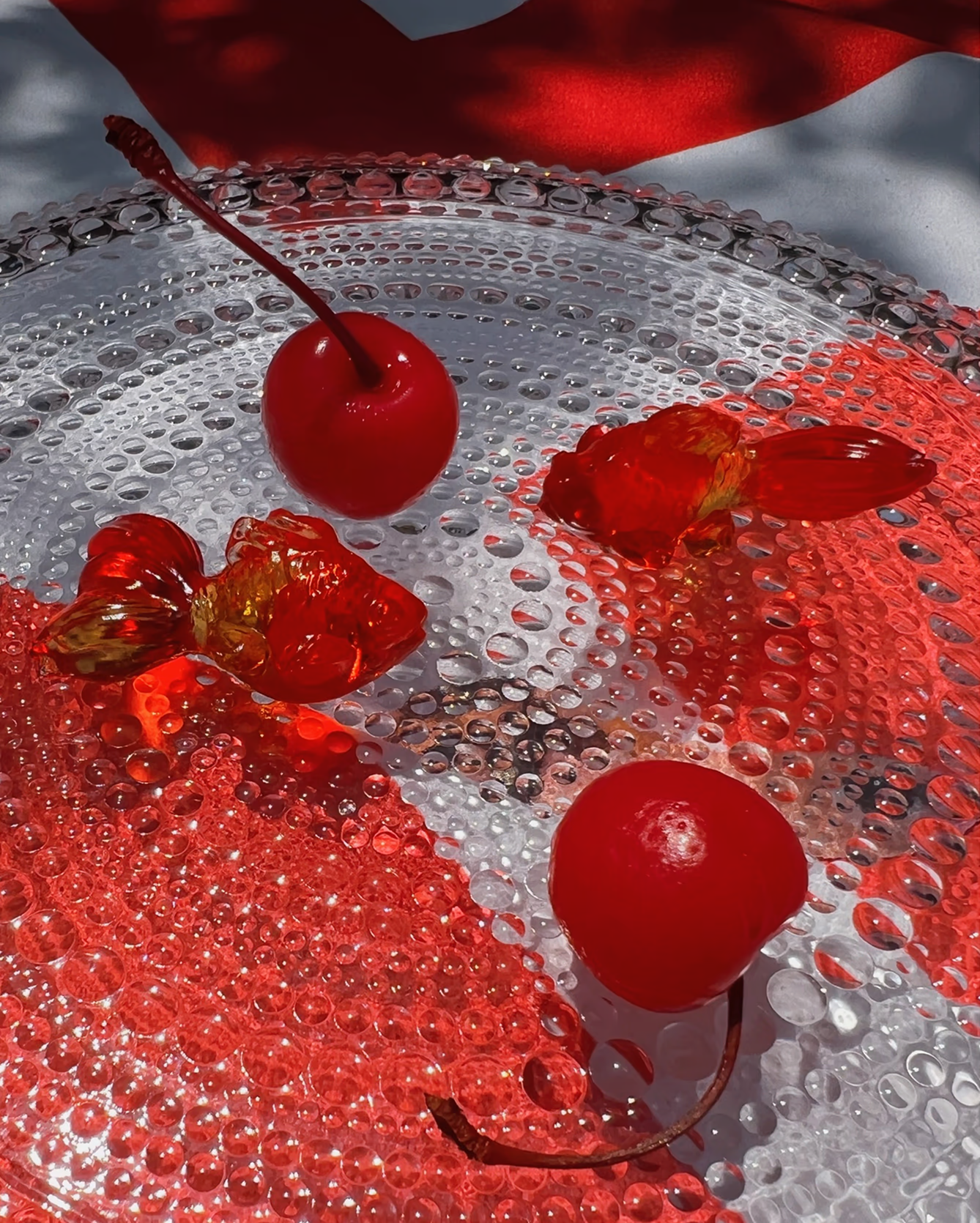
Prompts have a way of breaking molds and habits and creative ruts that we can get stuck in. Maybe it is actually less about responding to the prompt and more about letting it interrupt me. That interruption is where something new slips in.
8. Do you usually go to your archive, or does a prompt send you out to photograph?
Interesting! I usually dig through my archive with the prompt in mind and find something that fits. It helps me to rethink what I have done.
9. If you could create a prompt for other photographers, what would it be and why?
Maybe something like #feelthetension.
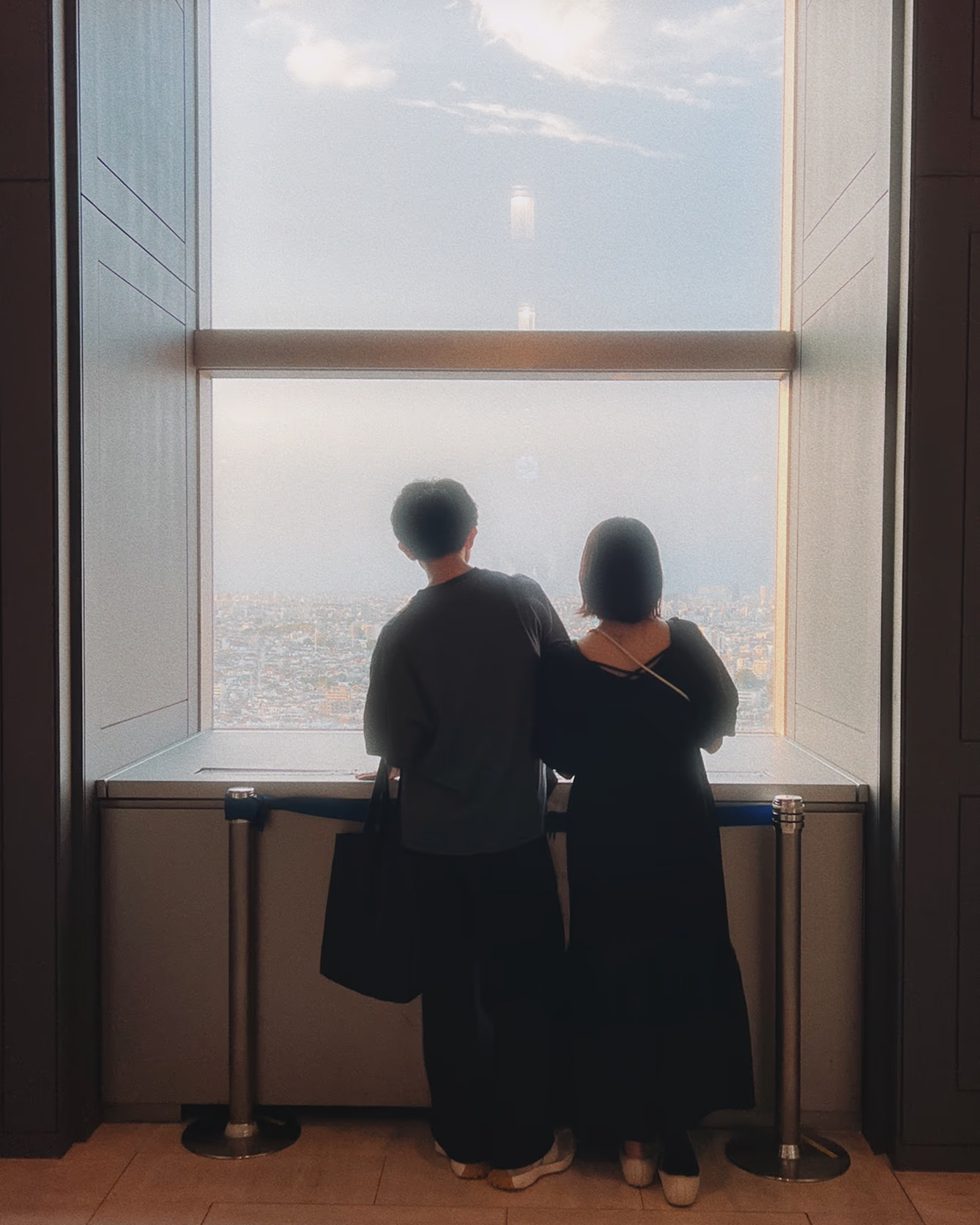
I keep thinking about how Jenny Saville talks about tension in paintings and photos. By that I think she is referring to how an image needs something resisting, something pushing back to make it greater.
The point where things don't quite sit right, so they bring disharmony to the balance. It can be subtle but not always. Things like a line that cuts too sharply, a body pressing against the frame, dirt under the fingernails, some kind of visual heaviness.
I am trying to practice noticing friction and the push and pull inside an image. Something that refuses to fully resolve. Because that's often where the feeling lives. Not in what's clear, but in what's straining against it. It might be too abstract, but I believe VSCO photographers would get it.
10. Have prompts influenced, inspired, or changed how you think about photography? Or the types of photos you create?
Yes, but not in a loud way. Prompts keep my mind a bit looser and open enough to let feeling lead, instead of habit.
11. When you submit to a prompt, do you ever look at the other photographer submissions?
Always! Otherwise, what's the point!
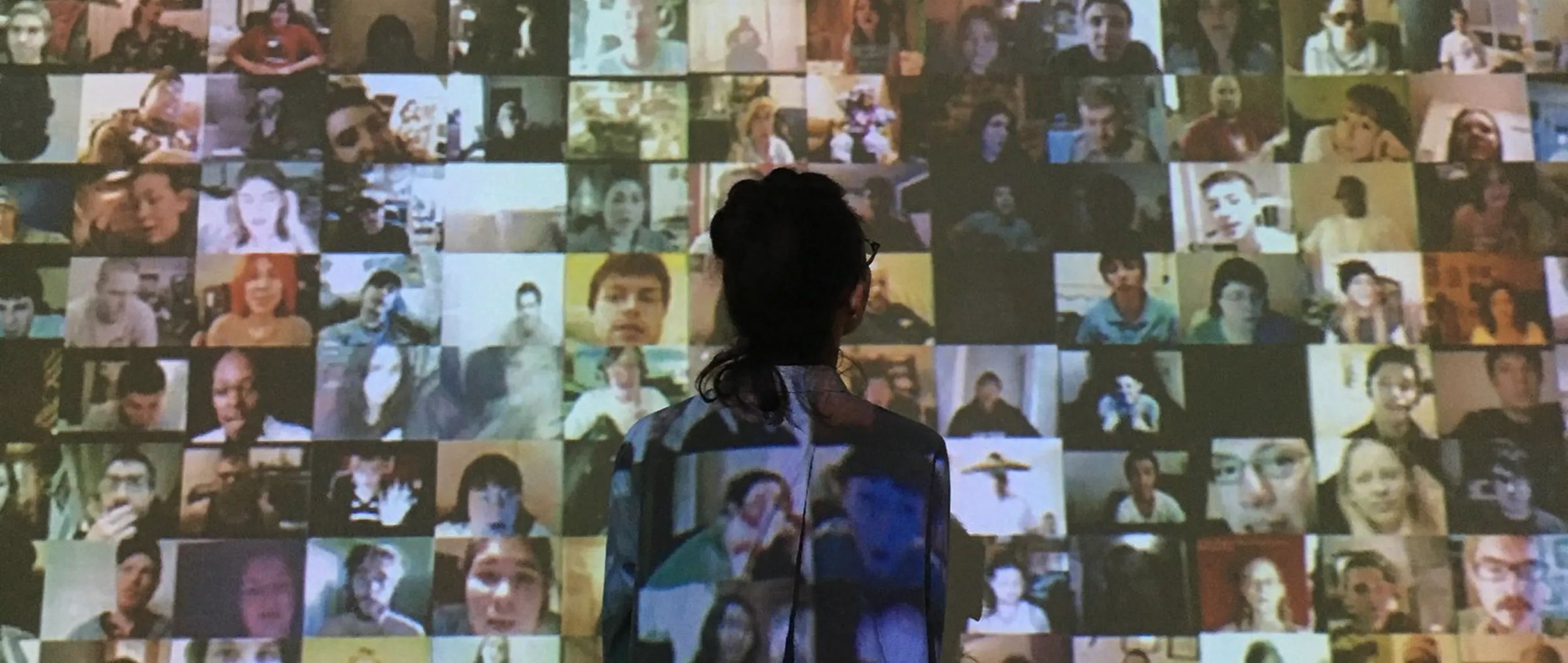
Staying open to interruption and discovery
Yasumi doesn't use prompts to find direction. She uses them to lose her habits just long enough to find something she wasn't looking for.
That's a different way to think about what a creative prompt does. Not a brief to execute, not a theme to illustrate—just a word or idea that interrupts your usual way of seeing and leaves a small gap for something new to come through.
Each month, VSCO Prompts give the community a shared starting point. Respond with something already in your archive, or let the theme take you somewhere new. Standout submissions get curated and highlighted by VSCO's team, and the prompt galleries themselves are worth visiting just to see how many different images one idea can become.
Sometimes the best thing a prompt does is break your routine, making room for something new.
“I take photos in between everything else. It's become part of my lifestyle, the way I see, collect ideas, meditate.”