Getting restaurant photography clients starts with a portfolio that shows what you can do, a clear understanding of which restaurants need your work and a pitch that gives them a reason to hire you. You don't need years of experience or an established client list to get started. You need strong food photographs, a thoughtful approach to finding opportunities and a professional way to turn an introduction into a paid project.
Restaurant photography can also lead to ongoing commercial work. Restaurants regularly introduce new menus, seasonal dishes and promotions, which creates opportunities for photographers who build strong client relationships.
This guide covers how to build a food photography portfolio, find restaurants to approach, pitch your services, price your work and turn your first booking into repeat business.
Key Answers: How to Get Restaurant Photography Clients
- Build a targeted portfolio: Start with 10–15 strong images showing food, restaurant interiors, behind-the-scenes moments and brand details. You can create a portfolio before landing your first paying client.
- Find restaurants that need photography: Look for restaurants launching new menus, opening locations, rebranding or updating their marketing materials.
- Pitch restaurant owners and marketing teams: Send personalized emails or Instagram messages highlighting a specific photography opportunity, with a portfolio link and a clear next step.
- Offer an introductory photography package: Start with a manageable project, such as photographing signature dishes or seasonal menu items, and provide clear pricing, deliverables and image licensing terms.
- Turn one-time bookings into repeat clients: Deliver organized images on schedule, maintain professional relationships and offer ongoing photography for menu updates, promotions and seasonal campaigns.
- Build a local referral network: Connect with chefs, food stylists, hospitality agencies and other creatives who can recommend your services to restaurants.
In this guide, you'll learn how to:
- Build a restaurant photography portfolio before you have clients
- Find restaurants that have a reason to hire you
- Pitch the right person at the right restaurant
- Offer a low-risk first project and price it clearly
- Deliver an experience restaurants want to repeat
- Grow your reputation in your local food community
- FAQs
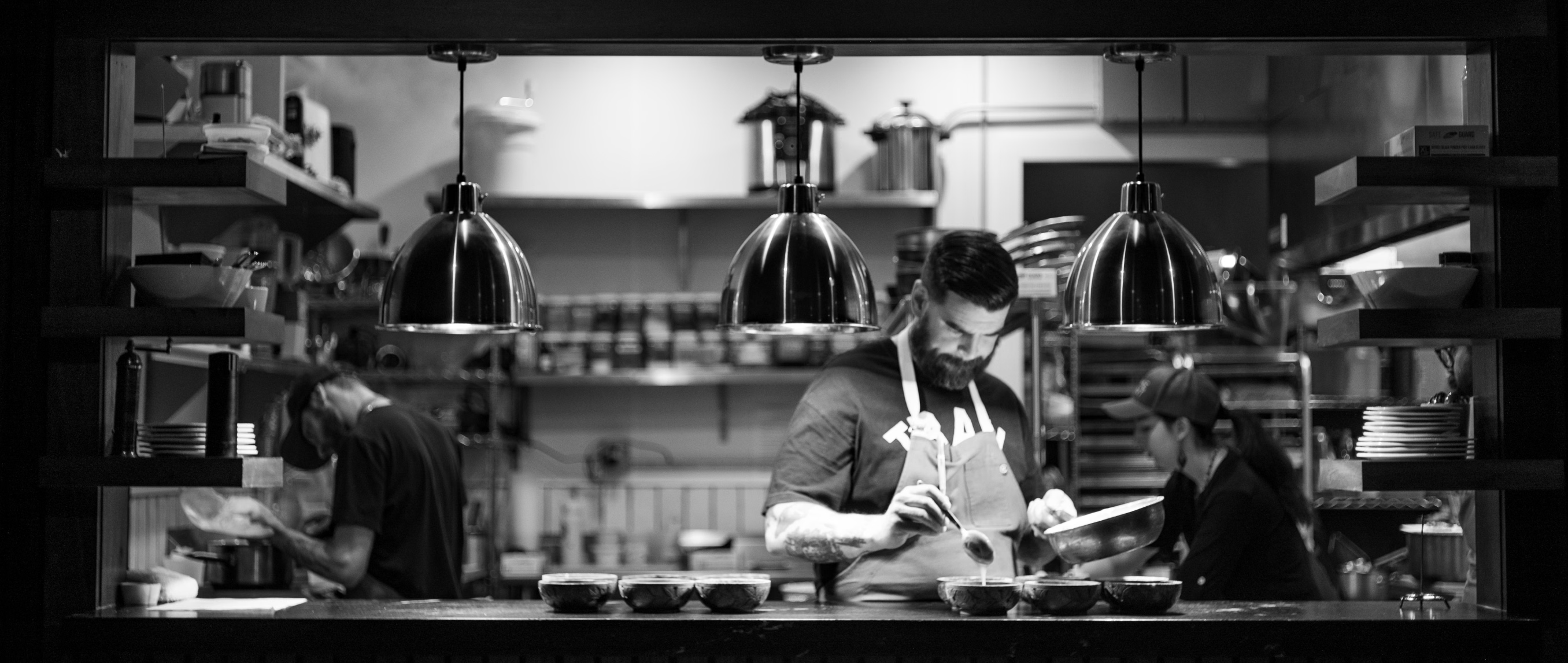
Restaurants need imagery that communicates their food, atmosphere, identity and dining experience, not just individual dishes that look good.
A strong restaurant photography portfolio shows you can do all of it. Self-initiated sessions and speculative (spec) sessions let you build that range without a paying client.
Plan them like paid jobs, with a clear concept and a written image list.
Cover Four Types of Restaurant Work
These four categories also show the kinds of work you might eventually sell:
- Hero food photography: signature dishes photographed with careful attention to lighting, texture, color and presentation
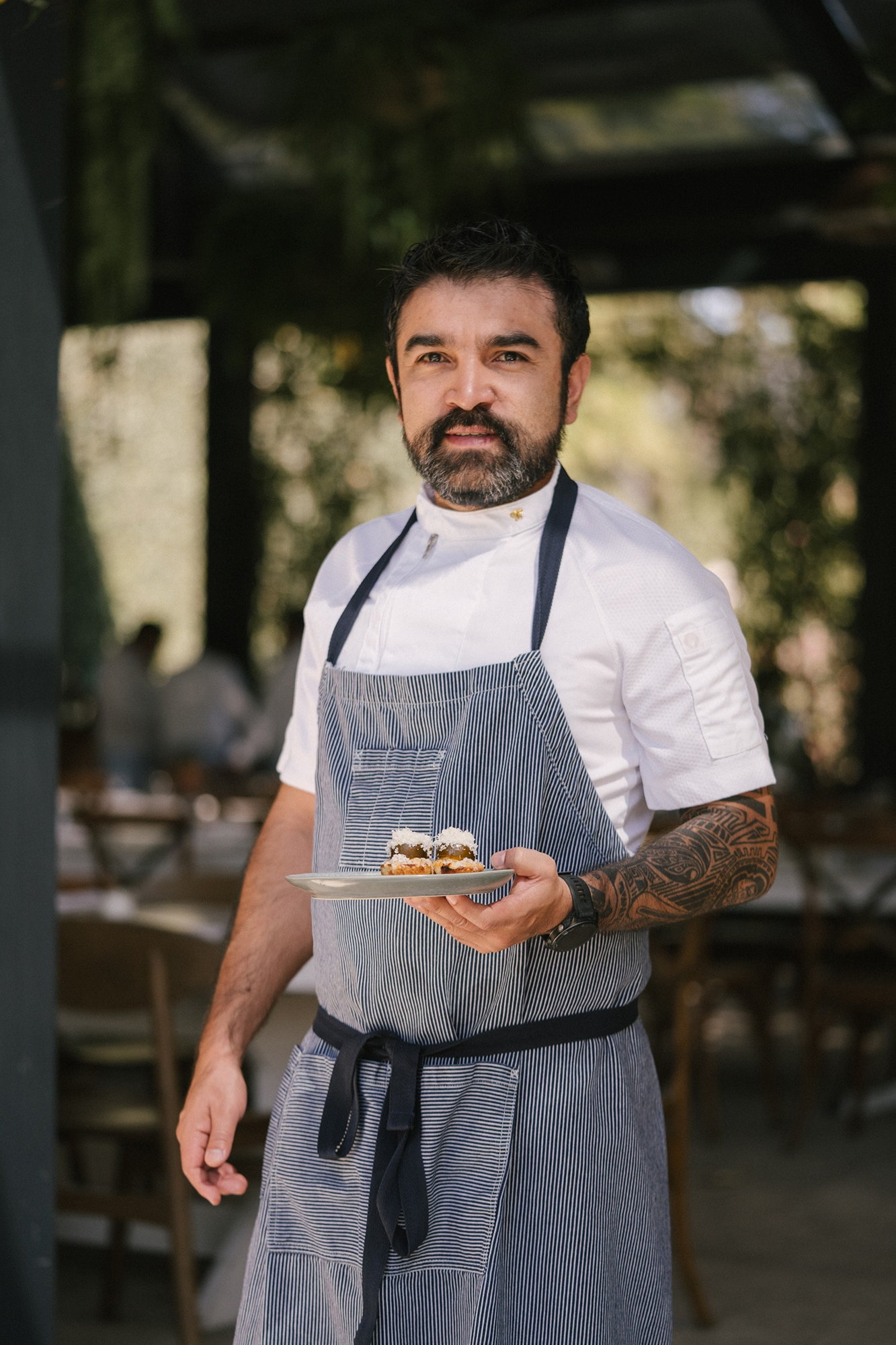
- Lifestyle and environmental photography: food in context, including table settings, dining rooms, natural interactions and the overall atmosphere
- Behind-the-scenes photography: chefs preparing dishes, hands at work, plating and other details that communicate craft and personality
- Brand and detail photography: drinks, ingredients, menus, interiors, signage and other elements that establish a restaurant's identity
A mock session at a local cafe or food truck is a good place to practice all four. Whenever possible, ask local restaurants for permission to photograph their dishes, which gives you real-world practice and a way to meet potential clients.
Match Your Portfolio to the Restaurants You Want
A fine-dining restaurant, a neighborhood cafe and a fast-casual chain have very different visual needs.
Decide which kind of restaurant you want to attract, then build the portfolio around it. If you want to work with a cafe, show warm, natural-light images and everyday atmosphere.
If you want to work with upscale dining, show careful styling, controlled lighting and refined plating.
If you're still narrowing your focus, this guide to choosing a photography niche can help.
A short collaboration can be a useful way to start, but it works best as a first step. Agree in advance on how each side can use the images, credit the restaurant when you share the work and move to paid projects once you have a few strong images.
Edit and Present a Cohesive Portfolio
You don't need hundreds of images. Start with 10 to 15 of your best photographs, and sequence them as a story instead of a collection of attractive dishes.
Open with a hero dish, move through atmosphere and behind-the-scenes images, and finish with details that give a sense of the restaurant's identity.
Keep your lighting, color grading and composition consistent so owners recognize your style.
When the portfolio is ready, share it through your VSCO Profile, a personal website, or a simple PDF.
VSCO Sites builds a portfolio website from your VSCO Profile, uploaded photos, Galleries, and Blogs with no code, and is easy to update as you add new work.
Custom domain support is available with Pro and One memberships.
Outdated photos alone don't mean a restaurant has the budget or the intention to hire a photographer. Look for businesses with an actual reason to invest in new images, and for several signals at once:
- Opening a new location
- Introducing a new menu or seasonal offerings
- Going through a rebrand or website redesign
- Expanding into catering, events or delivery
- Managing multiple locations as a hospitality group
- Investing in social media but posting inconsistent photography
The strongest prospects combine an upcoming launch, active marketing, a clear visual identity and an obvious opportunity to improve their existing photography. Also consider business size. Independent restaurants and local chains often need both one-time projects and ongoing content.
Keep a simple list of prospects with their contact information, the signals you've noticed and notes on their photography needs. Aim for around 10 promising restaurants to start, so you can personalize each pitch.
The right contact depends on the kind of restaurant. An independent restaurant often responds to a direct message to the owner or chef.
A larger hospitality group usually has a marketing director, brand manager or agency handling creative production, so your pitch needs to reach them. Depending on the business, you might reach out through:
- Instagram: send a personalized DM to restaurants with active accounts and include a portfolio link
- Email: look for an owner, marketing coordinator or general contact address on the restaurant's website
- In-person visits: introduce yourself at independent restaurants or cafes during quieter hours
- LinkedIn: connect with marketing managers or brand directors at larger restaurant groups
Whenever possible, direct your pitch to someone who can approve a photography project.
Write a Pitch That Gets a Reply
Restaurant owners and managers are busy, so a good pitch is short and specific. Build it in four parts:
- Personalize: show that you've researched the restaurant. Skip the generic "I'd love to work with you."
- Identify an opportunity: point to a specific dish, menu update or marketing need.
- Explain the value: describe what you could create and where the restaurant could use the images, such as a refreshed online menu, social content or a seasonal campaign.
- Make an easy ask: suggest a short conversation or a small introductory project.
A message from a restaurant photographer might read:
Hi [Name],
I've been following [Restaurant], and the [signature dish] looks great in person but the menu photo on your website doesn't do it justice. I photograph food for local restaurants and would love to share a few ideas for refreshing your menu and social images ahead of your [seasonal menu or event].
Here's my portfolio: [link]. Would you be open to a quick conversation?
For a bigger opportunity, such as a menu launch or a multi-location group, a short pitch deck can show your idea instead of describing it. VSCO Canvas includes a pitch deck template with sections for concept overview, visual style, and mood and tone, so you can lay out your concept, reference images and the look you'd bring to the restaurant.
If you don't hear back, follow up once or twice, a week or so apart, with a new idea or a recent image instead of repeating the first message.
Read more on How To Create a Pitch Deck That Wins Photography Clients.
Some owners hesitate to book a full session with someone new. A smaller introductory project makes the decision easier:
- A mini session: photograph three signature dishes and a few restaurant details
- A seasonal content package: create images of seasonal dishes, drinks or promotions
- A menu refresh: update photos of popular dishes for the restaurant's website or delivery platforms
How to Price Restaurant Photography
Restaurant photography pricing depends on the time required, the number of images delivered, production costs and how the restaurant plans to use the photographs. Before you quote a project, define the deliverables and the licensing terms so both sides understand what's included.
Two ideas help you structure the quote. First, separate your production costs from image licensing.
You're charging for pre-production, equipment, editing and expertise, and also for the commercial value of the images. Image licensing is the permission you give a client to use your photographs in specific ways.
Second, scope the project honestly. A restaurant might ask for 20 images, but that doesn't mean 20 separate setups. The number of dishes, lighting arrangements, locations, styling needs and deliverables all affect the work.
Here is an illustrative project breakdown for a mini session. These details show the structure, not a recommended offer or rate:
- Pre-production: planning, shot list and coordination
- Photography: session time and three agreed dishes
- Post-production: selection, editing and retouching
- Deliverables: 12 final edited images and one round of revisions
- Usage license: restaurant website and organic social
- Delivery: online gallery by the agreed deadline
Your license should define the permitted uses, how long they last and, where relevant, the territory.
Whether a use such as print menus or paid ads is covered by the base fee or costs extra is a commercial decision you make when you structure the license.
For more on pricing commercial work around usage, see this guide to increasing commercial photography project budgets.
Agree on the Details Before the Session
Before you photograph anything, confirm:
- Scheduling: the session date, time and how long you'll need the kitchen or dining room
- Payment: the total, any deposit and when the balance is due
- Deliverables: the number of edited images, formats and the delivery date
- Usage and copyright: how the restaurant can use the images and what stays with you
- Permissions: approval to photograph the interior, plus releases for anyone identifiable in the images, such as staff or guests
Put these in a written proposal and agreement so expectations are clear from the start. This is general guidance, not legal advice, so have a lawyer review your standard agreement.
A booking is exciting, but the client experience you provide decides whether a restaurant hires you again. Busy teams appreciate photographers who communicate clearly, respect service schedules and deliver quality work without disrupting daily operations.
Plan for the Realities of a Working Restaurant
Restaurant photography means coordinating with chefs, managers and front-of-house staff. A little preparation goes a long way:
- Schedule around service: plan sessions for quieter periods, such as mid-morning or mid-afternoon.
- Work with the chef on timing: coordinate when dishes will be prepared and plated, because food loses its freshness and appeal quickly. Ask staff to plate one dish at a time so each is photographed fresh.
- Plan for the light: restaurant interiors often have mixed lighting, dark corners and color casts. Scout the location, find areas with good natural light and bring portable lighting if needed.
- Think about orientation and cropping: restaurants may need landscape images for websites, portrait images for social platforms and different crops for menus.
- Work from a shot list: confirm priority dishes and supporting images before the session. VSCO Canvas lets you collect references into a mood board or pitch deck and share it view-only or give collaborators full access to comment on specific images. This guide to getting started with VSCO Canvas walks through the setup.
- Capture more than the food: interiors, staff, preparation and dining experiences give the restaurant a broader library of marketing imagery.
- Respect the workspace: keep equipment out of walkways and clean up between setups.
A short client questionnaire before the session helps you confirm goals, priority dishes and how the images will be used.
Deliver Organized Images and Turn One Project Into Many
Send edited images within the agreed delivery window, organized by use, such as menu, website and social media. VSCO Galleries lets you share photos and videos through one link, and clients don't need an account to view them. Suggested crops or caption ideas make publishing easier.
Restaurants are well suited to recurring work because they regularly introduce new dishes, menus, promotions and seasonal offerings. Raise that possibility during the first project, not after delivery. Ways to turn one booking into an ongoing relationship include:
- Proposing quarterly menu photography
- Offering seasonal photography packages
- Photographing new menu launches
- Creating recurring social media image sets
- Building relationships with restaurant groups that manage multiple locations
After delivery, check in about how the restaurant is using the images and ask about upcoming needs. If the client enjoyed working with you, ask whether they'd recommend you to another business.
Building a restaurant photography business takes time, and this guide to building a long-term career in commercial photography covers the bigger picture.
Alongside direct outreach, make your work easy to find and build relationships with the people who influence which photographers restaurants hire.
Share Work Where Restaurants Can Find You
Don't let your best restaurant photos sit on your hard drive. Share them where potential clients can explore your style:
- Update your portfolio: share curated restaurant photography on your VSCO Profile or personal website
- Post behind-the-scenes content: show your lighting setups, styling process and finished images
- Share before-and-after edits: show how composition, lighting and color grading transform a photograph
- Engage with local businesses: follow nearby restaurants, interact with their posts and share relevant work
Consistent posting keeps your work visible and helps potential clients understand your approach.
Build Relationships That Lead to Clients
Networking works best when it targets the people who connect photographers to restaurant projects:
- Food stylists: they collaborate with commercial photographers and can recommend you for a campaign
- Chefs: they move between restaurants and take their relationships with them
- Restaurant marketing agencies: they hire photographers for client campaigns
- Hospitality consultants and brand designers: a designer working on a restaurant rebrand may need a photographer
- Local food publications and editorial photographers: they know who is working and who is hiring
- Photographers in adjacent commercial work: they can refer overflow or specialized jobs
- Existing restaurant clients: they can introduce you to another location or a sister business
Attend food festivals, pop-up dinners and restaurant openings to meet these people. To connect with other photographers and develop your creative practice, VSCO Spaces are collaborative photo groups where you can build shared galleries and trade ideas.
Set aside time each week to update your portfolio, contact prospects and engage with your community. Small, consistent efforts add up to a reputation.
How do I start restaurant photography with no experience?
Start with self-directed food photography. Photograph dishes at home, collaborate with local cafes or ask restaurants for portfolio sessions, and build 10 to 15 strong images before you pitch paid projects.
How do I get restaurant photography clients locally?
Research independent restaurants, cafes and hospitality groups with a reason to hire, such as a new menu, opening or rebrand, then reach out by email, Instagram or in person. Networking with chefs, food stylists and local creatives also generates referrals.
How do you pitch a restaurant for photography?
Open with a specific observation about their menu, social feed or upcoming event, explain how your photography could help and include a portfolio link. Offer a small first project, such as a mini session, to make saying yes easy.
How much should I charge for restaurant photography?
Restaurant photography pricing depends on production time, the number of edited images, editing and how the restaurant will use them. Price your production and image licensing separately, and put the deliverables and usage in writing.
What equipment do I need for restaurant photography?
A camera with manual controls and a versatile lens are good starting points, a macro-capable lens helps with food details, and a tripod, reflector and portable light add control. Lighting, composition and styling matter more than expensive gear.
Should I photograph a restaurant for free?
A limited portfolio collaboration can be worthwhile if you set clear boundaries, agree on usage and credit and have a path toward paid work. Once you have a few strong images, move to paid projects, starting with a mini session.
Manage Your Restaurant Photography Business
Once you're booking multiple restaurants, you need a reliable way to track inquiries, send proposals, confirm project details, collect deposits, schedule sessions and deliver images.
VSCO Workspace is built for that workflow. A restaurant booking might move through it like this:
- A restaurant submits an inquiry through your website, and it lands in Workspace as a lead.
- You send a quote with tiered packages, such as a mini session, a seasonal content package and a menu refresh.
- The restaurant reviews the quote, completes a questionnaire and signs the contract, all from one link without creating an account.
- You collect a deposit and the restaurant books the session through your scheduling link.
- You deliver the final images in a gallery.
- An automated follow-up reminds you to reconnect before the next seasonal menu.
Full Workspace is included with VSCO One.