When I first started photographing, there was nothing remotely commercial about it. It was road trips, landscapes I kept returning to, small details I didn't yet have language for. I wasn't thinking about clients or campaigns. I was just photographing because it made me notice things differently, and because it gave me a way to express ideas I couldn't articulate any other way.
That changed gradually rather than all at once. Photography became something I focused on more seriously, then something I got paid for, then something I built my entire working life around. But even now, the way I approach it hasn't shifted as much as people might expect.
What has changed is understanding that photography, especially commercial photography, is rarely just about the photograph. It comes back to communication. To being able to help clients express something they often struggle to put into words. The longer I've worked in this industry, the more I've understood that a lasting career is built from a diverse body of work, strong relationships, and the recognition that every project has the potential to lead to the next. The right portfolio opens doors. Trust, consistency, and the way you work with people are what keep those doors open.
In this guide:
- Why Small Businesses Need More Than Product Photos
- Visual Storytelling for Commercial Work
- Becoming a Creative Partner, Not Just a Photographer
- Building Client Relationships That Last
- Pricing Photography as an Investment
- Diversifying Without Losing Focus
- Building a Visual Language Over Time
- What to Focus On When You're Starting Out
- On AI and the Future of Commercial Photography
- What a Sustainable Career Looks Like
When I work with small businesses, the conversation rarely starts with what needs to be photographed. It usually starts with why the business exists, and how that can be translated into imagery that reflects who they are, what they value, and the experience they want people to remember.
Most small businesses don't need more isolated product images. What they need is a connected body of work that carries across platforms, seasons, and campaigns. Imagery that builds familiarity over time. That usually means looking beyond the product itself and building a wider context around it through people, process, environment, and atmosphere. The product sits within that world rather than being the whole story.
A cafe isn't only selling coffee. It's selling a daily rhythm, a sense of belonging, a place people return to. A small outdoor brand isn't only selling clothing, it's selling movement, weather, landscape, and the feeling of being outside in it. Stock photography tends to miss this completely. It flattens identity into something generic. Real brand photography is built from lived environments and real people, which is exactly what makes it feel believable.
Consistency is the other thing that matters more than most photographers realize. Not just aesthetic consistency, but the kind that builds brand recognition over time. When something new appears, people recognize it immediately as belonging to the same visual world they already know. In my own process, I use batch editing in VSCO to build a consistent color and tonal language across an entire body of work. It keeps everything speaking the same visual language even when the images themselves are varied, which is what allows a brand's presence to compound rather than restart with every campaign.
When I think about visual storytelling, I'm rarely thinking in single images. I think about experiences, and about how someone moves through a story visually and emotionally.
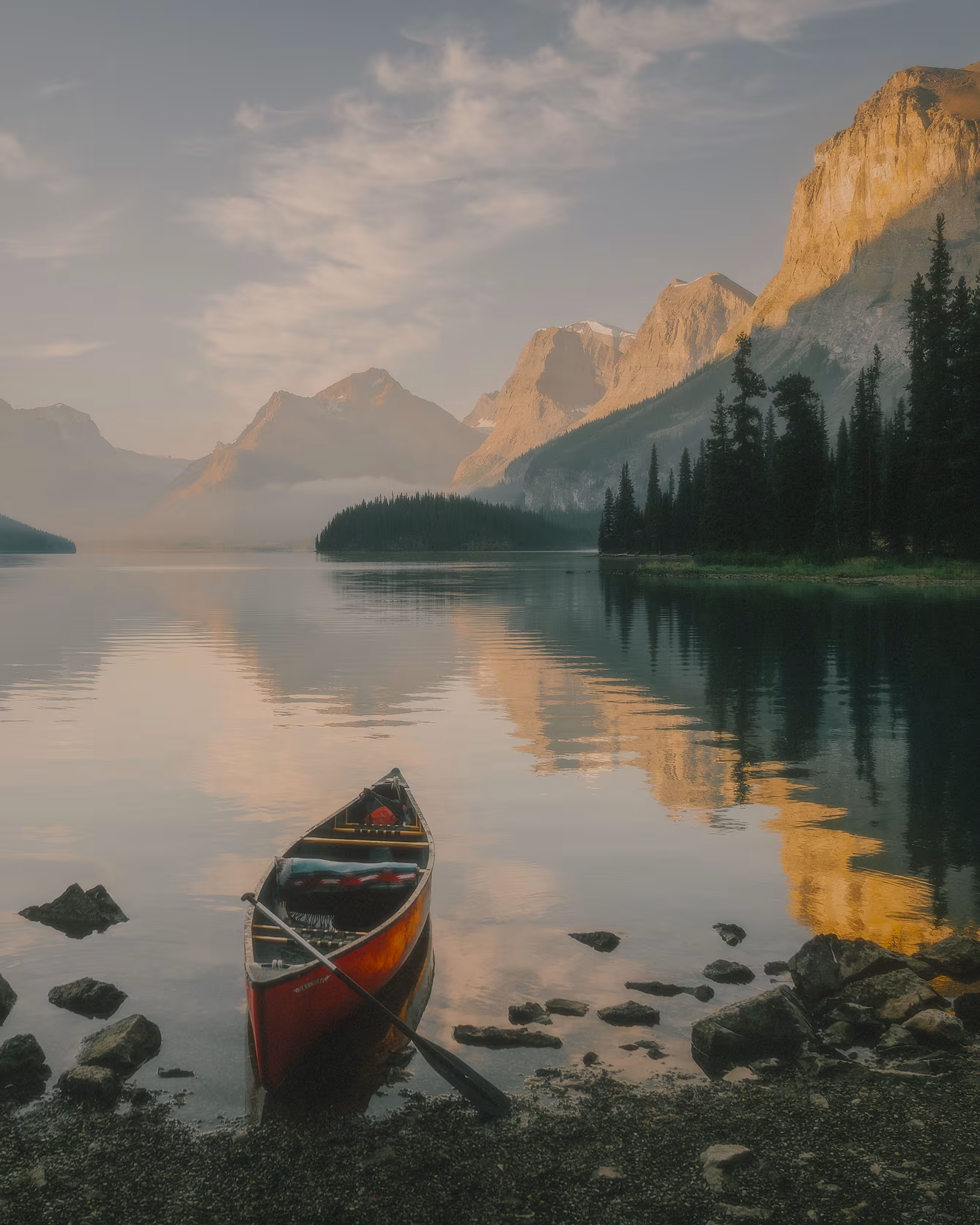
It starts with atmosphere. The feeling of arriving somewhere, the way light sits in a place, the textures you notice before you fully understand your surroundings. From there, I think about sequence: what someone notices first, what draws them in next, what details stay with them after they've looked away. This is where recognisable style starts to form. Not just in how images look, but in how they feel together. The consistency isn’t about repetition of subjects or compositions, but about a way of seeing, a particular sensitivity to light, movement, and moments within larger landscapes.
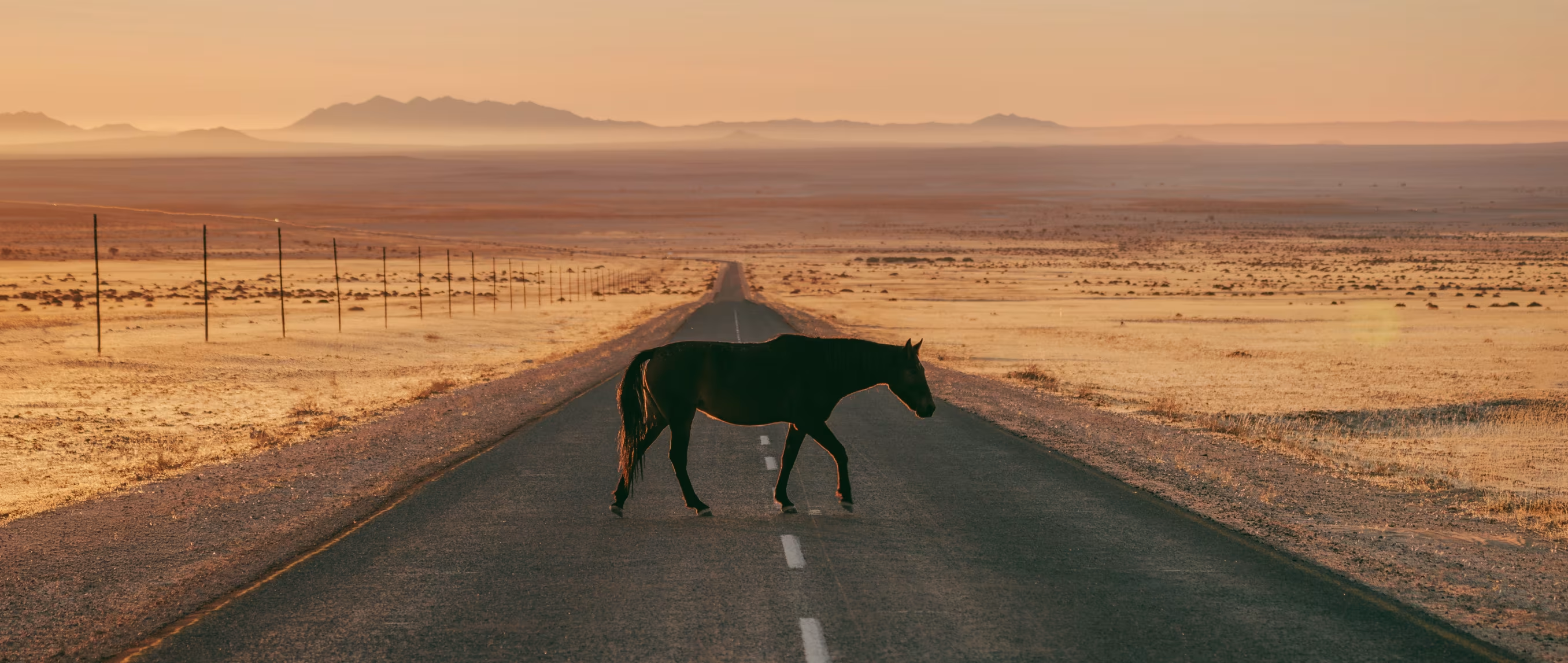
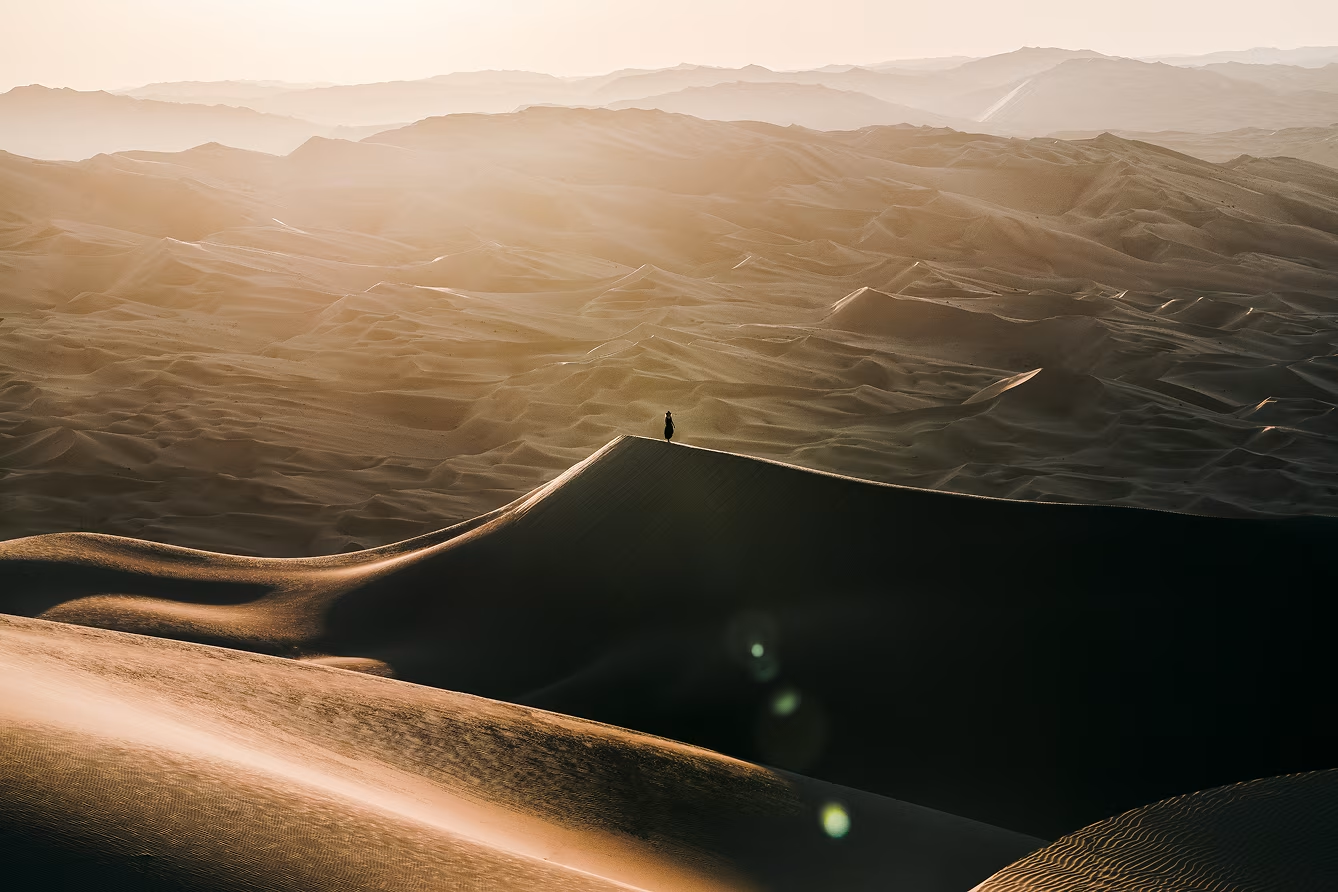
Good storytelling sits between observation and intention. For me, that often means working with the in-between moments, the pauses between movement, people interacting with their surroundings, small human gestures within larger environments. A figure crossing an open landscape. Gear being packed before a long drive. Weather shifting across a coastline. These moments often carry more emotional weight than the obvious “iconic” view, and over time, the choices you make about which moments to photograph become your visual language. In commercial work, that language is what makes your work recognizable, and recognizable work is what leads to long-term client relationships.
One of the biggest shifts in my career came when I stopped thinking of myself purely as someone who delivers images and started thinking about the role photography plays within a business.
Great commercial photographers aren't just executing a brief. They're helping solve a problem. That might mean increasing bookings, supporting a product launch, building brand awareness, or helping a client communicate more clearly to their audience. To do that well, you need to understand more than photography. You need to understand the client's customers, their goals, and how the images will actually be used once the project is over.
Increasingly, I find myself involved in the planning process before a photoshoot even begins. Tools like VSCO Canvas can be useful for mapping out ideas visually with clients and building creative direction together. When you become part of that process, something shifts. You're no longer being hired to take photographs. You're part of the creative thinking, and that's often what leads to long-term work.
If there's one thing that has shaped my career more than anything else, it's repeat clients.
Most of the work I still value didn't come from one-off projects. It came from returning to the same people, destinations, and brands over time, photographing seasonal campaigns, documenting new chapters for clients I've known for years, continuing to evolve the visual identity of businesses as they grow.
The reason this matters isn't just financial stability, though that's certainly part of it. It's creative depth. When you understand a brand over time, you start to anticipate what they need. You can work intuitively rather than needing to explain everything from scratch. That kind of trust changes the quality of the work.
Building that trust comes down to showing up consistently, communicating clearly, delivering what you say you will, and genuinely taking the time to understand the clients you're working with. Over time, the best client relationships stop being about outreach. They become about your work finding the right people because your reputation does that work for you.
There's also a wider value in understanding what you're actually offering beyond the images themselves. Clients are investing in your perspective, your ability to interpret their brand visually, and the experience of working with you from start to finish. That includes the planning, the communication, the creative direction, the ability to problem-solve on the day, and the consistency in how you deliver work afterwards. When clients come back, it's usually because the process felt considered and reliable, as much as because the final images met their expectations. That trust is what allows projects to grow in scale, and for your rates to evolve accordingly.
The goal is for your style of work to become so recognisable and connected to clients, it’s not about outreach any more and becomes more about your creative work. If you are able to show up professionally, again and again, be clear in how you communicate, deliver what you say you will, and often overdeliver on expectations and actually take the time to understand the clients you’re working with. This type of consistency and genuine interest carries weight and over time, that’s how trust is built, one of the most valuable qualities when locking in long term clients.
One of the most difficult parts of this industry is learning to think about pricing beyond a single photoshoot.
When I'm asked what to charge, I try not to think in terms of hours or days alone. I think about what role the images are going to play and how valuable they are to a client's business. Is this work part of a new product launch? Is it shaping how a brand is perceived across its entire web presence? Is it being used in advertising, across social, in print? The scope and the usage matter as much as the time spent.
It's important to define this from the start, not just for pricing, but for your own clarity about what you're agreeing to. Photography's value often extends far beyond the moment it's created. A single campaign can be used for years. Licensing, usage rights, and exclusivity all feed into what something is actually worth, and being clear about this from the beginning leads to much better working relationships.
Many of the clients I work with now are on ongoing arrangements like seasonal photoshoots and annual campaigns, which allows both sides to plan better and creates a more sustainable pace of work. Moving toward that kind of structure is something worth thinking about early, because relying solely on one-off projects makes it difficult to build financial stability or real creative depth with the people you're working with.
The industry also doesn't talk about pricing openly enough. There's still a tendency for rates to feel unclear and inconsistent, which makes it especially hard early on. Pricing calculators, community rate guides, and honest conversations with other photographers can all help ground your decisions. For me, transparency also means being clear with clients about what's included in a fee, how usage is structured, and what the work is actually being created for. When pricing is well-defined on both sides, it removes ambiguity and builds the kind of trust that long-term relationships are made from.
My practice has never existed in a single category. Over the years it has moved between client commissions, editorial assignments, expedition photography, licensing, prints, workshops, and creative direction. Each serves a different purpose and feeds into the others.
Client work provides structure and collaboration. Editorial work allows more narrative freedom. Licensing extends the life of existing images. I find something genuinely valuable about work that keeps contributing long after it was first created. Prints feel more personal, turning moments from my travels into something physical that people can live with. Education and workshops have become a way to share what I've learned while also creating a more balanced income that isn't entirely dependent on photographing and travel.
The goal isn't to do everything. It's to build a structure where your income isn't dependent on a single stream, and where each part of your practice reinforces the others. Alongside that, the less creative parts of running a photography business like understanding tax, working with an accountant, learning to read your own finances, matter more than photographers tend to admit early on. Treating photography as a business, properly and practically, is what allows you to keep doing it.
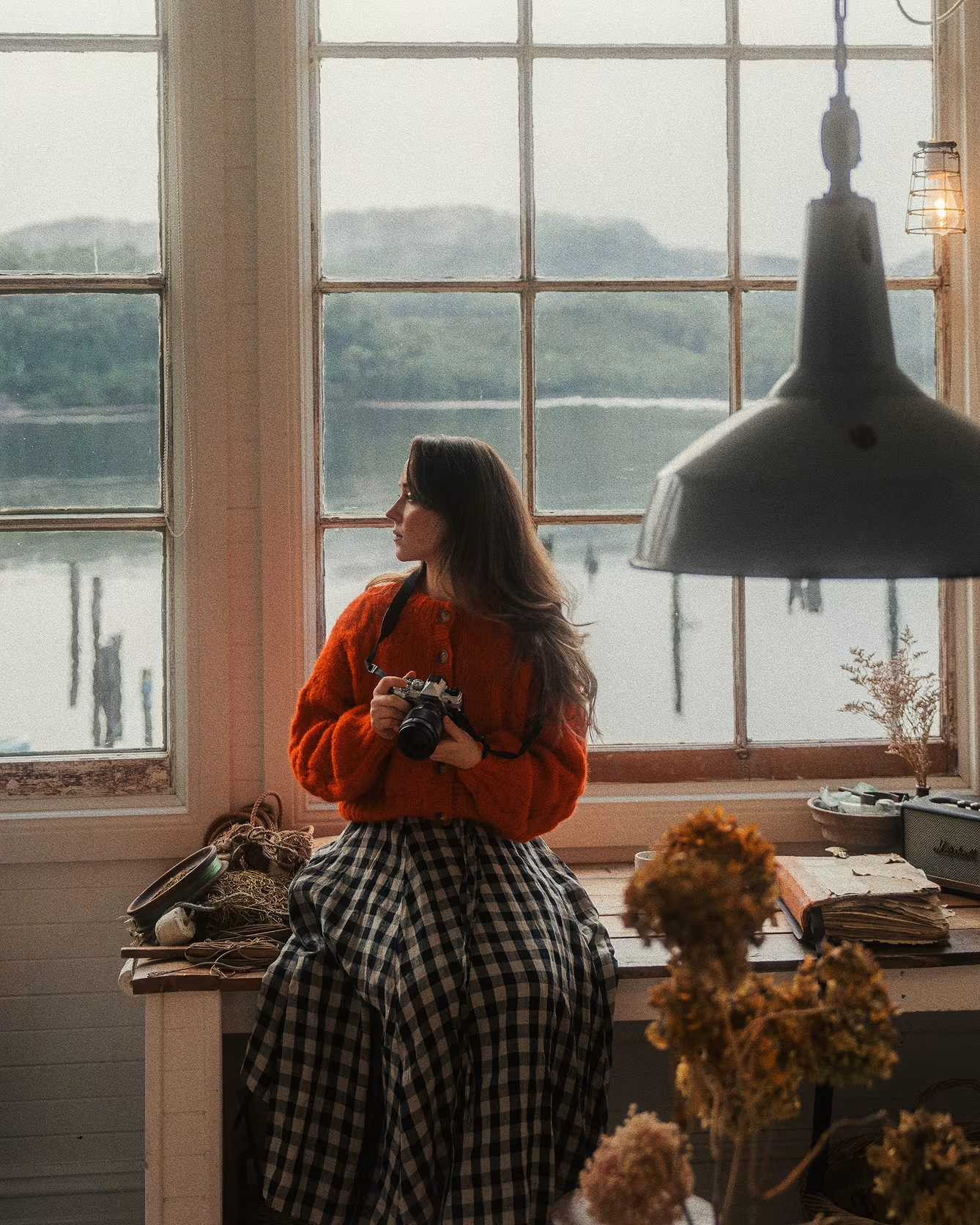
A long-term career in photography starts with clarity in how you see the world. That clarity shapes every decision you make, what you photograph, how you frame it, how you edit it, what you choose to leave out.
Your visual language doesn't arrive fully formed. It builds through photographing often, reviewing your own work honestly, and slowly recognizing patterns in how you respond to a scene. Going back to similar light, similar environments, similar compositions and noticing what's working. Over time, that consistency becomes your perspective, and in photography, perspective is what makes work recognizable. Not just technically strong, but distinctly yours.
The editing process is a significant part of this. I've refined mine gradually over many years, paying close attention to what feels instinctively right in an image and allowing repetition to do its work. Consistency in editing, the same way you might return to the same light or the same kinds of moments, is one of the most underrated tools for developing a recognizable body of work.
If you're early in your career, your portfolio is one of the most powerful tools you have, and sharing it consistently can change things in ways you won't always be able to predict. You never really know who is going to see your work or where it might lead.
If the clients you want to work with don't exist in your inbox yet, build them into your portfolio yourself. Create your own projects around the kinds of brands and businesses you want to work for, and treat them as if they're real commissions. If you put that direction into the world, it creates the chance for the right opportunities to find you.
Most small businesses aren't looking for the most technically advanced photographer they can find. They're looking for someone who understands them, someone who can translate their ideas into something visual, who can plan, communicate clearly, and make the process feel manageable rather than overwhelming. The experience of working with you carries just as much weight as any single hero image.
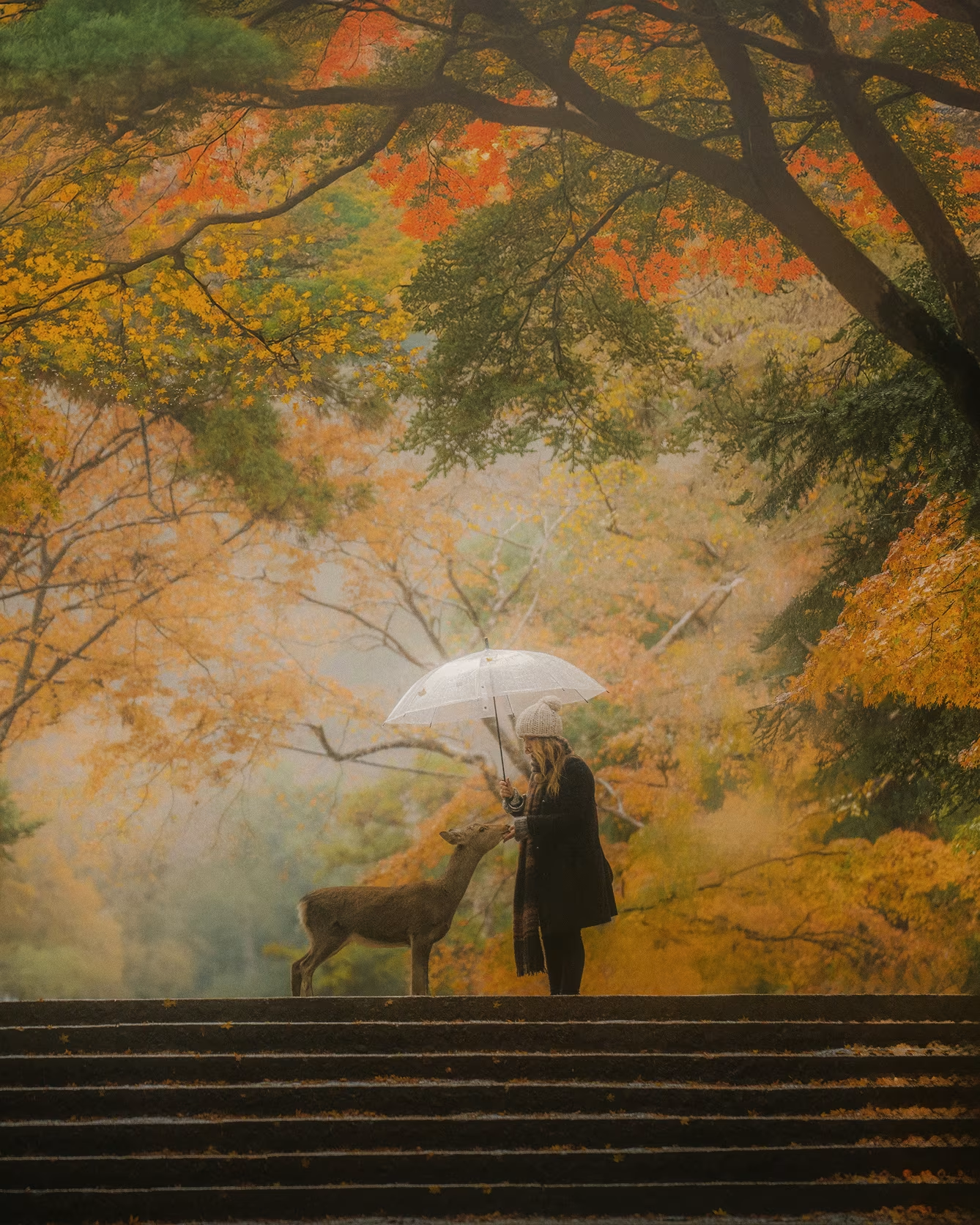
There's a lot of discussion around AI and what it means for photography, and I understand why. But what I've noticed in my own work is that the demand for real imagery hasn't diminished. If anything, it's become more important. Clients are increasingly aware that audiences can tell the difference between something that was created and something that was experienced.
The direction I find most interesting is a shift back toward authenticity. Documentary-style storytelling, behind-the-scenes imagery, work that feels honest rather than constructed. In travel photography especially, what continues to stand out is the sense that someone was actually there, experiencing it as it happened. Atmosphere, imperfection, and human presence aren't edited out. They're held as part of the story.
There will always be room for constructed imagery. But the work that lasts tends to be the work that couldn't have been made any other way.
Looking back, my career hasn't followed a straight line or come from a single defining moment. It's been an intuitive process built slowly through consistency, showing up, sharing work even when it felt uncertain, and continuing to put images into the world so the right people could find them.
A big part of that has been learning how to work with people as much as learning how to photograph. Understanding how clients actually operate, how campaigns are shaped, where photography sits within a much larger commercial and creative process. That understanding has shaped my work just as much as any technical development.
The strongest work I've done has come through relationships. And what's stayed consistent underneath all of it is the original reason I picked up a camera in the first place. Producing work you genuinely care about, and work you're proud of, is what keeps everything grounded. Longevity in this industry usually comes from knowing what aligns, and having the discipline to leave the rest.
FAQs
- What is brand photography?
Brand photography is imagery created to communicate the identity, values, and story of a business across platforms. It's not just about showing what a business offers, but shaping how it feels and how it's understood over time.
- Why do small businesses need professional photography?
Imagery is often the first point of connection between a business and its audience. Strong photography helps a business feel clear, intentional, and recognizable, especially when they're still building their presence and reputation.
- What do you focus on when working with a brand?
I usually start with the story behind the business. Why it exists, how it operates, what it wants people to feel. From there, we build imagery around people, process, environment, and detail so the product sits within a broader world rather than in isolation.
- How do you approach consistency in your work?
Consistency comes from building a connected body of work rather than a collection of isolated images. I use VSCO and batch editing to develop a shared color and tonal language across a project, so everything feels part of the same visual world even when the images are varied.
- How do photographers find commercial clients?
For me, most ongoing work comes through relationships, referrals, and previous collaborations. One project often leads naturally to the next when there's genuine alignment and trust in how you work together. Sharing your work consistently and creating personal projects that reflect the kind of work you want to attract both matter more than most people realize early on.
- Can you build a full-time career as a commercial photographer?
Yes, but it's rarely built on one type of work. It usually comes from combining client commissions, ongoing relationships, and other income streams like licensing, education, or creative direction. Building that mix intentionally, rather than arriving at it by accident, makes a meaningful difference.
- How should photographers price their work for small businesses?
Pricing depends on scope, usage, and deliverables, but also on the value the imagery creates for the business over time, not just the time spent capturing it. Think about how the images will be used, for how long, and across which platforms. That context shapes what the work is actually worth far more than an hourly rate alone.
- What makes someone a strong commercial photographer?
The ability to translate a brand into something visual in a way that feels intentional and consistent, combined with reliability, clear communication, and genuine curiosity about the people and businesses you're working with.
- Is commercial photography a sustainable long-term career?
It can be, when it's built around long-term relationships, repeat work, and a thoughtful mix of different creative outputs. Relying entirely on one type of project or one type of client makes it much harder to sustain over time.
- Does AI replace commercial photographers?
AI can generate imagery, but it can't replicate real environments, lived experience, or genuine human presence, which are often exactly what give brand photography its sense of place and emotional resonance. The demand for real, specific, authentic imagery hasn't gone away. If anything, it's grown.