Portrait photographers who want to work with brands often assume the gap is technical: that they need new equipment, new editing styles, or a completely different creative approach. In most cases, that's not what's missing. The ability to read a room, direct someone who doesn't want to be photographed, find flattering light in an unfamiliar space, and deliver a gallery under pressure are exactly the skills brand clients need.
What's different is how you think about the work: not as capturing a moment for a person, but as building a visual asset library for a business.
This guide works through the process practically, from understanding what brand photography is and why portrait skills translate, to building a portfolio that speaks to brand clients, pricing for the full scope of the work, and positioning yourself in a market where demand is growing.
In this guide:
- What is Brand Photography
- The Portrait Skills That Transfer Directly
- What You Need to Develop
- Build a Brand Photography Portfolio Without Brand Clients
- Pricing Brand Photography
- The Commercial Photography Workflow
- Positioning and Finding Brand Clients
- Tools for Making the Switch
- Brand Photography FAQ
Brand photography, or commercial photography, is the visual language of a business. It's the set of images a company uses across its website, social channels, email marketing, press coverage, and sales materials to communicate who they are, what they do, and why someone should trust them.
A complete brand session typically delivers several distinct image types:
- Founder and team portraits. The human face of the business. These borrow most directly from portrait work, with one difference: the context, wardrobe, and environment should all reinforce something specific about the brand rather than simply flatter the subject.
- Lifestyle and in-action images. Candid or loosely directed moments that show how the business operates, who the people are when they're working, and what the experience of engaging with the brand looks and feels like.
- Product and detail photos. The tools, materials, spaces, or offerings that are central to what the business does. These establish specificity and expertise.
- Environmental and contextual images. Locations, workspaces, and scenes that show where the brand lives and reinforce its aesthetic identity.
The difference between portrait work and brand work isn't the individual images. It's the editorial thinking required to make them work together across multiple formats and channels.
The hardest parts of brand photography are the parts portrait photographers already do well.
- Directing people who don't want to be photographed. A camera-shy founder presenting their company to the world is, in every meaningful way, the same challenge as a nervous senior or an uncomfortable couple. The posing cues, the conversational approach, the ability to get a genuine expression from someone who doesn't feel natural in front of a lens. That's the skill brand clients pay most for and can least evaluate in advance. It's what they're trusting you with.
- Reading light quickly. Brand photoshoots often happen in spaces that weren't designed for photography: offices, retail environments, industrial spaces. The ability to move through a location, identify what's working, and make practical decisions under time pressure translates completely.
- Editing to a consistent style. Brand clients need images that feel cohesive across a full gallery, across different subjects and scenes. Portrait photographers who've developed a recognizable editing approach already understand what it takes to make a large set of images feel intentional rather than random.
- Managing clients on set. Keeping people comfortable, on schedule, and on brief while also making creative decisions in real time.
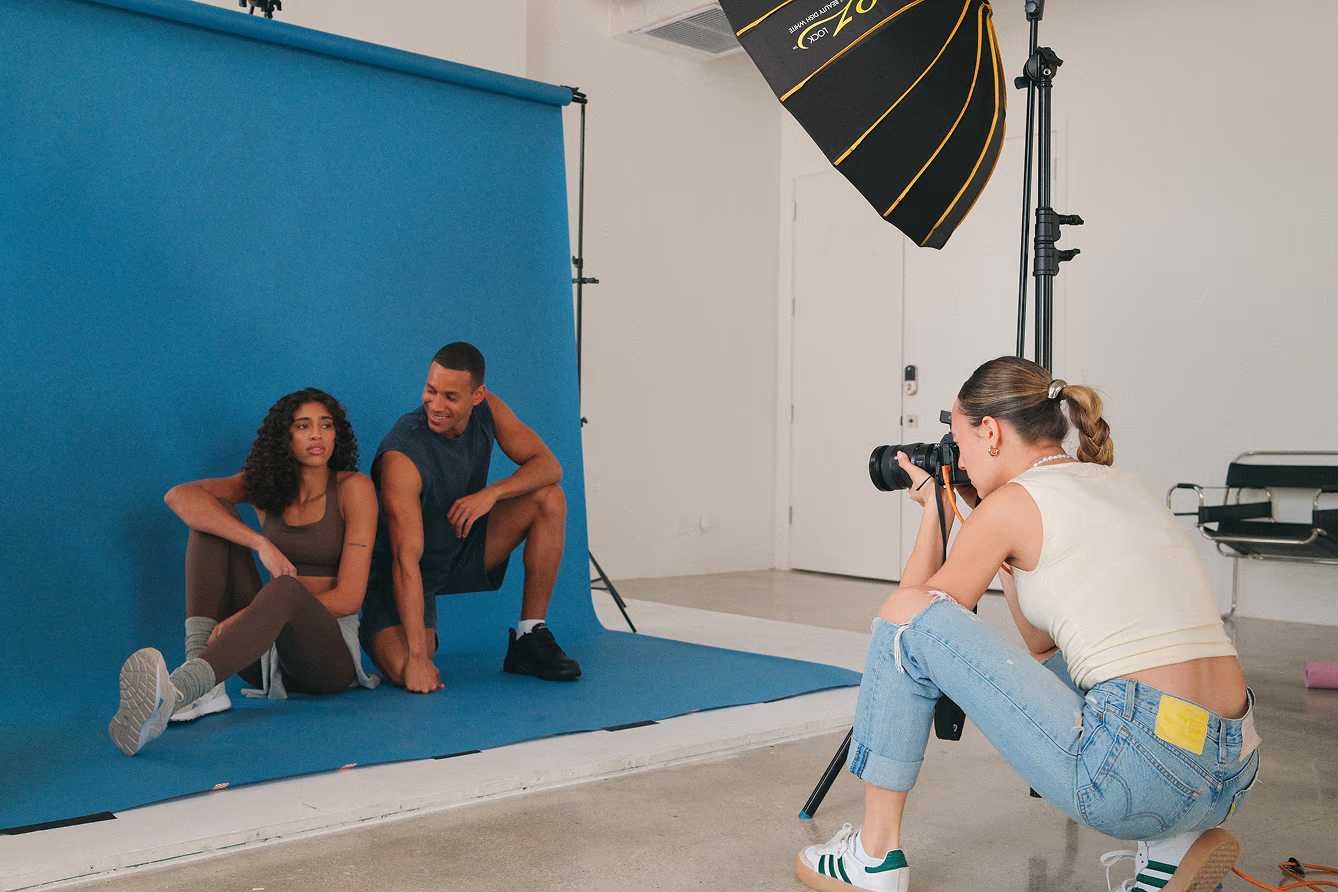
The transition isn't about learning new technical skills. It's about developing commercial instincts.
- Thinking in platforms, not images. A portrait photographer's job is finished when the best images are selected and delivered. A brand photographer's job involves understanding how each image will be used before the photoshoot starts. A hero image for a website homepage needs different proportions, negative space, and compositional weight than a square for social media or a horizontal crop for an email header. These decisions need to inform how you work, not just how you crop in post.
- Understanding what a business needs from imagery. The most useful question in any brand discovery conversation isn't "what do you want the photos to look like?" It's "what do you need these photos to do?" A business launching a new product has different needs from one trying to attract investors, establish credibility in a new market, or refresh a brand that's grown past its original identity. Getting comfortable asking these questions, and listening to the answers, is the skill that separates a vendor from a creative partner.
- Pricing for value, not time. Portrait photography is typically priced around session time and image count. Brand photography is priced around the value of the deliverables to the business and how they'll be used. The same set of images is worth more to a national brand running a paid campaign than to a local business using them on a website that gets 200 visits a month. Usage rights, licensing, and scope-based pricing are the language of commercial work, and getting comfortable with them is part of making the transition.
- Pre-production as a formal process. A brand session requires more upfront planning than most portrait work: a discovery call, a creative brief, a mood board developed collaboratively with the client, a detailed shot list mapped to specific platforms and placements. This is where the commercial instinct shows up before the shoot even begins. VSCO Canvas is built for exactly this: gather visual references, build the concept, and share a mood board clients can respond to before anyone arrives on set.
The most common objection photographers make to themselves is that they can't get brand clients without brand work, and they can't get brand work without brand clients. This is true only if you're waiting to be hired before you start building the portfolio.
Personal projects are the solution. Find a local business (a café, an independent retailer, a studio, a small service brand) whose aesthetic interests you and whose story you'd like to tell. Propose a collaboration. Treat it exactly like a paid engagement: discovery call, creative brief, mood board, shot list, full production, polished delivery.
Then present it as a case study, not just a gallery. A case study shows brand clients something a gallery of portrait work can't: that you understand the strategic dimension of what they're buying. Show the brief. Show the mood board. Show the final images alongside an explanation of how each image type serves a specific marketing purpose. This demonstrates commercial thinking before you have a commercial track record.
Three to five strong case studies across a variety of business types and aesthetics will do more for your positioning as a brand photographer than twenty portrait galleries. When building these projects, think about the brands you'd actually want to work with. Personal projects that attract the clients you want are more valuable than ones that simply fill a portfolio gap.
Brand photography is almost always underpriced by photographers making the transition from portrait work. The instinct is to charge portrait rates plus a little extra. The reality is that brand work involves substantially more scope: pre-production, creative direction, discovery, licensed deliverables, and often a usage conversation on top of the production itself.
Build Packages Around Business Needs
Rather than pricing by the hour or by the number of images, price around what the business is actually getting. A tiered structure works well:
- Essential. A half-day photoshoot at one location, focused deliverables list, and a curated gallery of edited images optimized for social media and website. Appropriate for newer businesses or those refreshing their content on a limited budget.
- Core. A full-day photoshoot with deeper creative planning, multiple scenes or locations, and a larger gallery that covers web, social, print, and press needs. Includes a discovery call, mood board, and detailed shot list.
- Premium. Multi-day coverage, a formal campaign concept, expanded image library, broader usage rights, and priority delivery. Appropriate for established brands with complex needs or campaign-specific shoots.
Price Usage Separately From Production
Usage rights are what make commercial pricing work. An image licensed for a social media post has different value from one licensed for a national billboard or a paid advertising campaign. Standard practice is to price the production and the license separately, with license fees based on the distribution channel, geographic scope, and duration of use.
This may feel unfamiliar if you've only charged portrait rates, but it's the language brand clients expect. Building this into your proposals from the start positions you as a professional who understands the commercial value of the work.
Communicate Value in Client Terms
When presenting a quote to a brand client, anchor the conversation in what they're getting, not in how long you'll spend producing it. A business investing in a brand session is buying months of marketing content, a cohesive visual identity for their website, a library of images for campaigns and pitches, and the credibility that comes from looking like a brand that takes its presentation seriously. That context belongs in your proposal alongside the numbers.
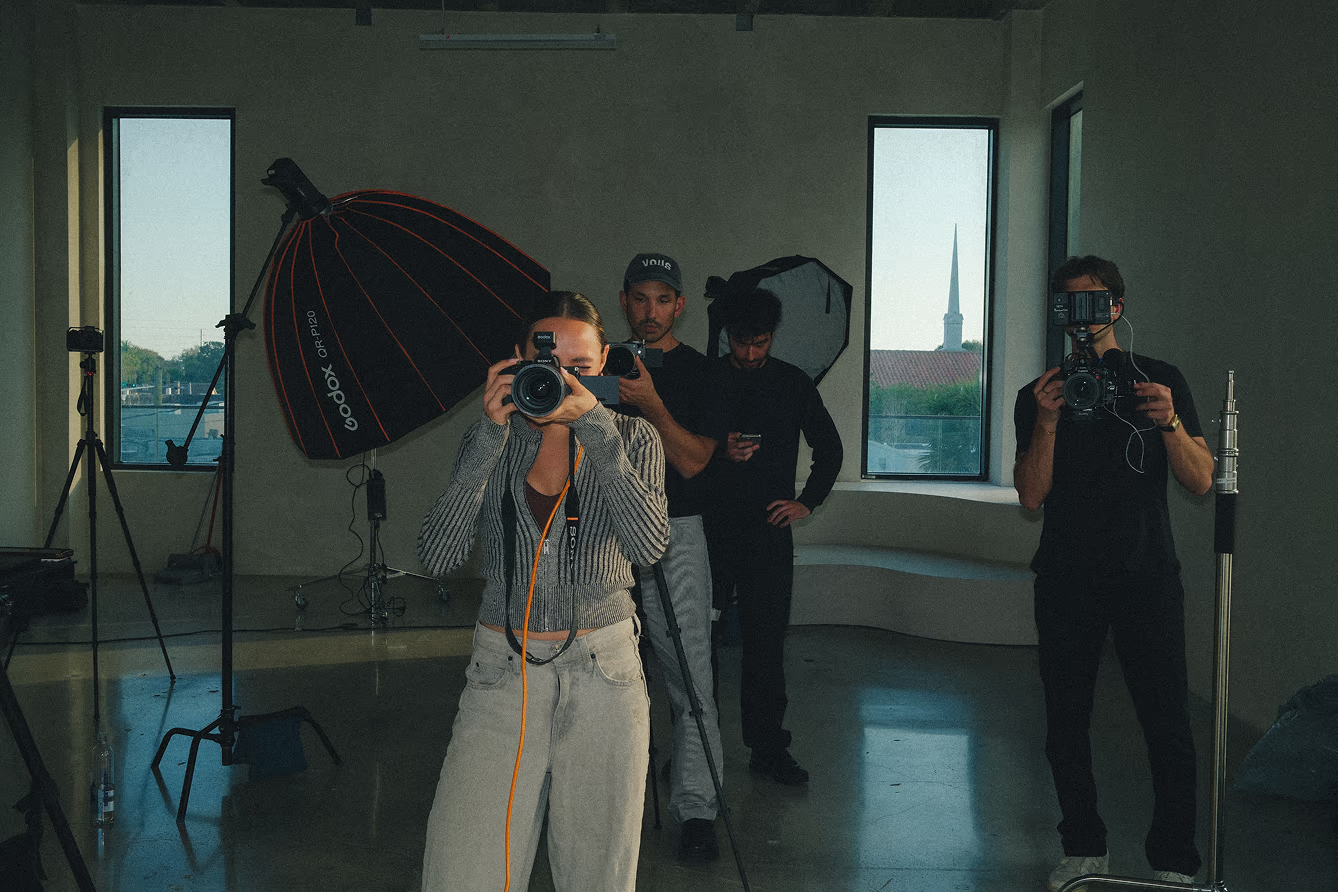
A brand session should feel like a guided, professional process from first inquiry to final delivery. That experience is part of what brand clients are paying for.
- Discovery. Start with a call focused on the business, not the photoshoot. What is the brand trying to communicate? Who is the audience? What channels are most important? What's launching, changing, or being established? What have they tried before and what didn't work?
- Creative direction. Build a mood board based on the discovery conversation. Use VSCO Canvas to gather reference images from the VSCO community, generate AI-assisted visual concepts when the reference you need doesn't exist yet, and collaborate in real time with clients and art directors. Present the direction before the shoot, not on the day.
- Asset list and logistics. Map each image to its intended use. Homepage hero needs this composition and negative space. Instagram content needs this ratio and visual energy. Founder portrait for press needs this context and tone. A photo list built around platform needs produces a more usable gallery than one built around creative instincts alone.
- Production. Execute the brief while staying flexible enough to capture what the plan couldn't anticipate. The best brand images often come from moments in between the structured shots.
- Delivery. Send the final gallery through VSCO Galleries: a clean, private, device-ready presentation that lets clients download assets and share the link with their team without logging into anything or downloading additional software. Include usage notes and any licensing documentation alongside the gallery link.
- Follow-up. The brand client who's happy with their images and has a marketing calendar that keeps running is your best source of repeat business. A check-in around the time their content cycle is likely to need refreshing (typically every quarter for active brands) is both good business and genuinely useful to the client.
Your portrait photography website and marketing will not attract brand clients on its own. The language, the portfolio presentation, and the positioning all need to speak to what brand clients are evaluating.
- Update your messaging. "Portrait photographer" tells a brand client almost nothing about whether you can do what they need. "Brand photography for independent businesses" or "visual content for founders and creative brands" speaks to their specific situation. Be as specific as possible about the types of brands and the kinds of projects you want to attract.
- Lead with case studies. Brand clients are evaluating whether you understand their problem. A case study that shows the brief, the concept, the final images, and how each image type serves a marketing purpose is often more persuasive to a business decision-maker than a gallery of your best shots.
- Build relationships in brand-adjacent spaces. Brand clients are often referred by the other service providers they work with: designers, marketing consultants, social media managers, web developers. These are people who know when a client needs new imagery and whose recommendation carries weight. Building relationships with them is often more direct than marketing to brand clients themselves.
VSCO Canvas for pre-production. Build mood boards collaboratively with clients, pull visual references from the VSCO community, generate AI-assisted references when you need something more specific than what you can find, and share the creative direction before the shoot begins. Clients can comment directly on the board, which replaces the back-and-forth of email-based approval with a single shared space.
VSCO Workspace for client management. Handle inquiries, proposals, contracts, invoices, questionnaires, and automated communication from one place. For brand clients who expect a professional, organized process, the quality of your business systems is part of what they're evaluating. Workspace connects directly with VSCO Sites. A contact form on your portfolio website routes brand inquiries directly into Workspace as managed leads.
VSCO Galleries for delivery. A clean, private gallery that clients can share with their team and access on any device. No account creation required, no navigating a clunky interface. The final images arrive the way a brand photographer's work should: polished, accessible, and easy to download.
VSCO Sites for your portfolio. Build a case-study-forward portfolio site that shows brand clients your creative thinking and commercial instincts, not just your best individual images. Custom domain support on Pro and One makes the site fully branded.
All of these tools are part of VSCO One. Try it risk-free for 30 days with a full refund if it's not the right fit.
Do I need different equipment for brand photography?
Usually, no. A capable camera, versatile lens, and lighting setup you already use for portraits can handle many brand assignments. What changes is how you use that equipment. Brand work often calls for a wider range of images, from portraits and environmental scenes to products, details, and behind-the-scenes moments, so a versatile zoom or wider focal length can be useful. But you don't need to build an entirely new kit to get started.
How do I price my first brand session?
Price the whole assignment, not just the hours you're holding the camera. Account for discovery and pre-production, creative planning, shooting, editing, retouching, delivery, travel, and any production expenses. Then consider how the client will use the images. Commercial work is often priced around both the creative work and the usage rights, with licensing defined by factors such as where the images will appear, how long they can be used, and whether the use is exclusive. You don't need to charge established commercial rates for your first brand project, but don't automatically price it like a portrait session either. The scope and business use of the images may be substantially different.
How do I find my first brand photography client?
Start with people and businesses you already have a connection to. Past clients, local businesses, professional contacts, and your wider network can all become sources of referrals or introductions. Look for businesses whose visual presence could genuinely benefit from the kind of photography you want to make, then pitch a specific idea rather than simply offering "brand photography." If you need portfolio work, a personal project or clearly defined introductory collaboration can also help you create relevant examples. If you offer reduced-rate or complimentary work, establish the scope, deliverables, and permission to use the images in your portfolio upfront. The goal is to create work that demonstrates the kind of assignment you want to book next.
What's the difference between brand photography and commercial photography?
The terms overlap, but they aren't interchangeable. Brand photography generally focuses on creating a consistent visual library that represents a business, its people, products, and story across channels such as its website, social media, and marketing materials. Commercial photography is a broader category that can include brand work as well as advertising, product, editorial, corporate, and other commissioned photography. The distinction matters most when you're pricing and scoping the work. A small business may need a straightforward library of images for its website and social channels, while a larger commercial assignment may involve more extensive production, creative direction, and licensing requirements.
How long does a typical brand session take?
There's no standard session length because brand photography is usually defined by the scope of the content rather than a fixed session format. A focused session for a small business might take a few hours, while a larger photoshoot can run a full day or span multiple locations and setups. Build your estimate around the entire assignment, including pre-production, travel, shooting, editing, retouching, and delivery. A photoshoot that takes three hours on location may require several more hours of work before and after the camera comes out. Larger productions may also require talent, assistants, locations, props, or other production support.
Can I do both portrait and brand work?
Absolutely. The skills overlap, and portrait work can give you a strong foundation in directing people, shaping light, and creating images that feel intentional. Brand photography simply expands the brief: you may need to photograph a person at work, capture the environment around them, show a product or process, and create a range of images that work together across a business's marketing channels. You don't have to abandon portrait work to make the transition. Build a portfolio that shows the kind of brand assignments you want to book, while continuing to take the portrait work that makes sense for your business.
Reposition, Don't Reinvent
Portrait photographers who move into brand work don't leave their skills behind. They apply them to a larger canvas, one where the images serve a business goal, the client relationship extends across multiple projects, and the creative brief is as much a business document as a mood board.
The photographers who make this transition most successfully aren't the ones who change everything about how they work. They're the ones who get clear about what they already do well, learn to articulate it in terms brand clients recognize, and build the portfolio and workflow that make the offering feel credible.