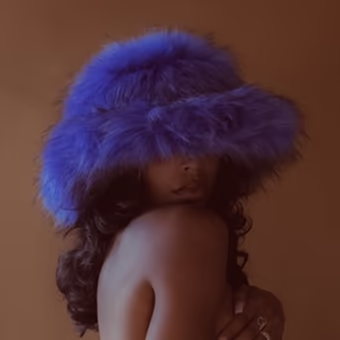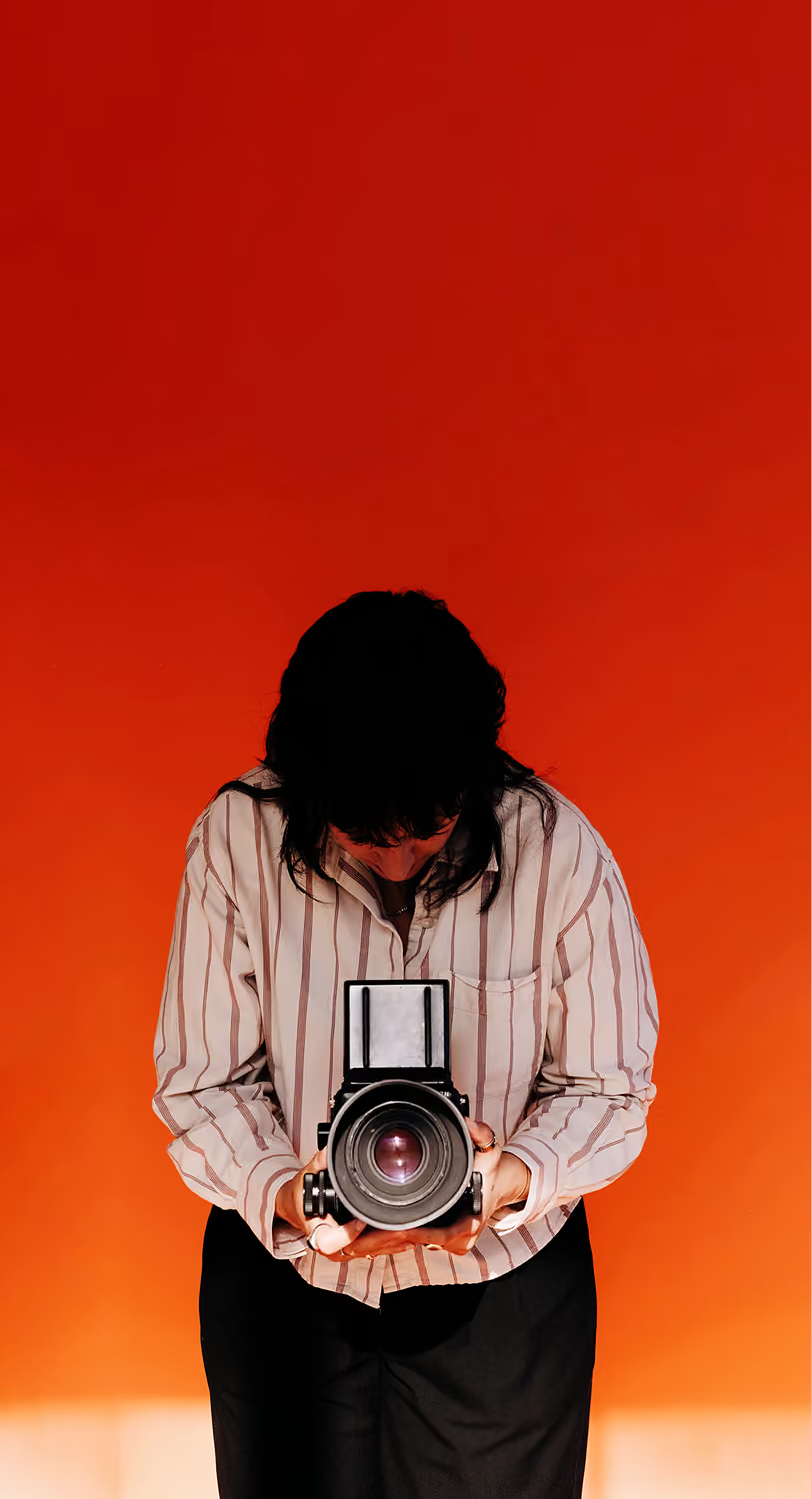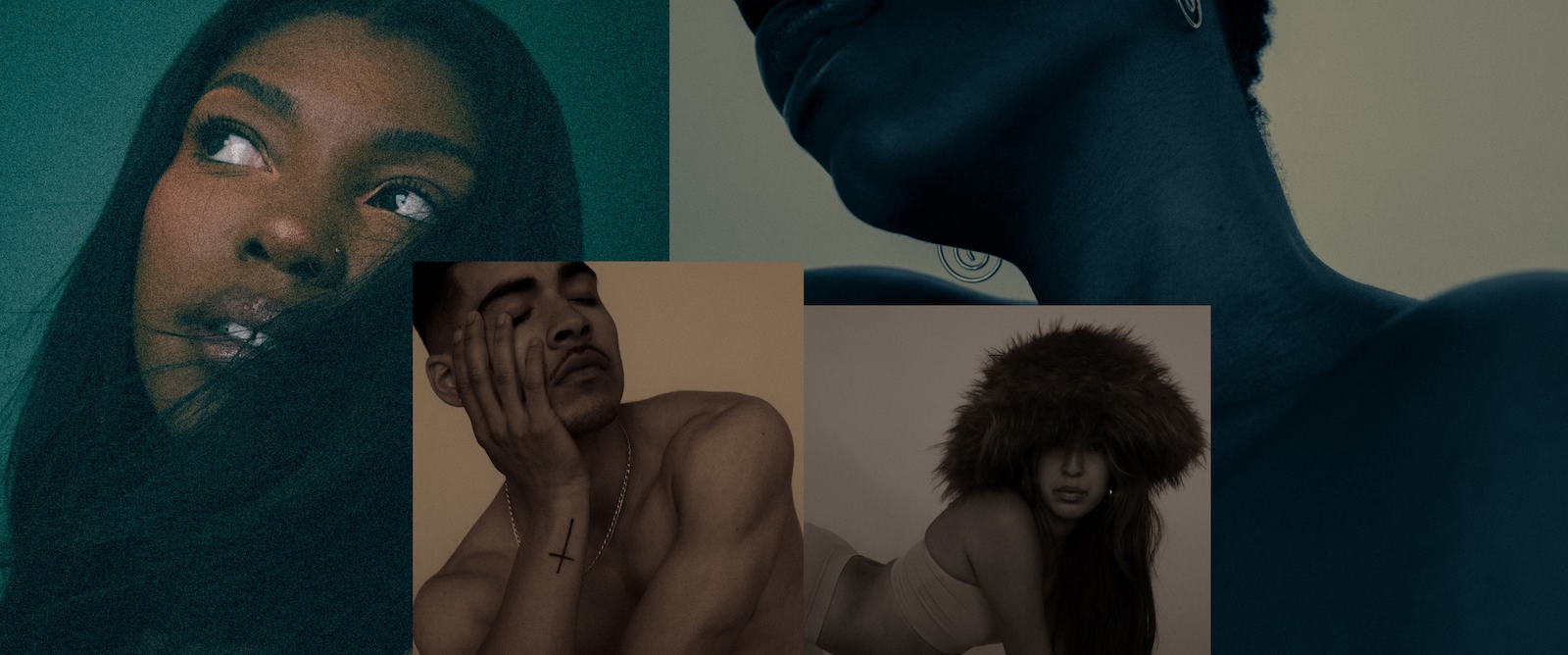
There's a moment that happens for a lot of photographers. You're scrolling through your work, and you start to notice something, almost subconsciously.
The images that really land, the ones that feel the most like you, have something running beneath them. A tone. A feeling. A point of view.
For me, that realization came in 2017, when I became the art director and in-house photographer for Black Girl In Om. At that time, the brand was one of the leading Black voices in the wellness space, and the weight of that responsibility was real.
I didn't just need to take good photos. I needed to build a visual language that felt safe. One that honored Black women with intention, softness, and care.
That experience became my introduction to world-building. I had to learn how to visually narrate stories and curate a space that made Black women feel loved, empowered, and seen.
Understanding the way color, composition, and subject matter shaped the mental and emotional headspace of my community changed the way I worked. It made me a better creator, and a more expansive one.
Today, I love that my work is known as a soft landing for Black women. That recognition didn't happen by accident. It happened because of intention. It happened because of visual identity.
Visual identity is the feeling and resonance your images carry. It's a visual language shaped by your singular relationship to color, composition, culture, storytelling, and beauty.
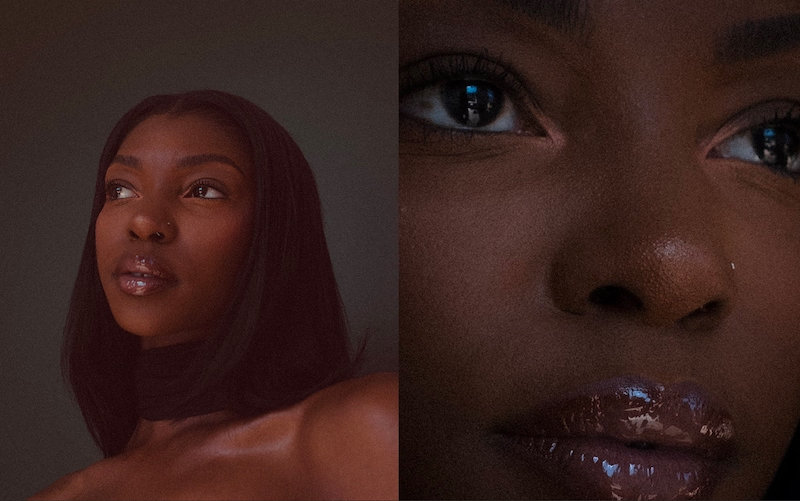
What is visual identity in photography, and how do you build it?
Visual identity in photography isn't just about having a "look." It's the feeling and resonance your images carry.
It's a visual language shaped by your singular relationship to color, composition, culture, storytelling, and beauty. When someone can scroll past your work and immediately know it's yours, without a caption, without a credit, that's visual identity working.
It's built through 3 things:
- Experimentation: You have to spend real time shooting.
- Exposure: You have to study images, yours and others', with curiosity and an open mind.
- Intuition: You have to learn to trust the things that keep showing up in your work, even when you can't fully explain why.
It helps to start with some honest questions:
- What type of photographer do you want to be?
- What stories do you want to tell, and how do you want your images to make people feel?
Sit with those questions. They're the foundation everything else is built on.
The building blocks: what makes up a visual world
Creating a photo brand identity starts with understanding the individual elements that together create a cohesive whole. Here's how I think about each one:
Color
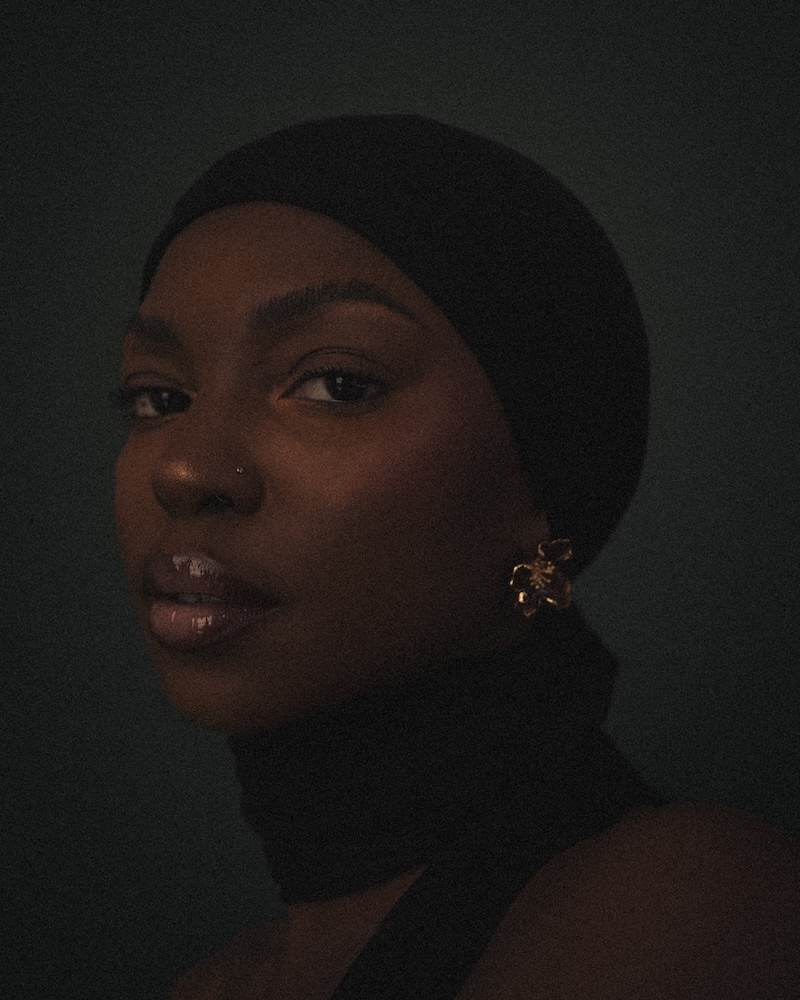
Color does emotional work before the viewer has processed anything else. Highly saturated blues, reds, and yellows feel electric and alive. Earth tones and muted palettes feel grounded and calming. There's no right answer, only the one that's right for you and the stories you're telling.
Light
Natural light from the sun and controlled studio lighting each carry their own energy. Sun-drenched outdoor light can feel spontaneous and alive. Studio light feels deliberate, sculpted, cinematic. Knowing which one speaks to your work, and being consistent, goes a long way.
Subject matter
People, interiors, landscapes, cars, food. What you return to again and again reveals something true about where your eye naturally goes. Pay attention to it.
Framing and composition
Center compositions feel grounded and direct. Close, detailed shots feel intimate. Wide shots feel expansive and environmental. Your compositional instincts are part of your signature.
Mood
Cinematic and moody. Commercial pop. Dark and emotional. Light and playful. Mood is the emotional range your work lives in. And it's often the thing people respond to first.
A step-by-step approach to visual world building
Establishing a visual style as a photographer isn't a one-time event. It's an ongoing process of discovery, refinement, and trust.
1. Study your own work
Pull together the images you love most, not the technically perfect ones, the ones that feel most like you. Look for the thread running between them.
- What subjects appear most?
- What's the light doing?
- What does the mood feel like?
The patterns you find are the beginning of your visual language.
2. Define your palette
Having a go-to set of presets that you consistently return to in post is one of the simplest, most powerful ways to build cohesion.
With an established workflow, you can then save your favorite editing sequences as Recipes in the VSCO app for one-tap consistency across projects.
3. Build a moodboard
Before any shoot, I like to ideate and gather inspiration.
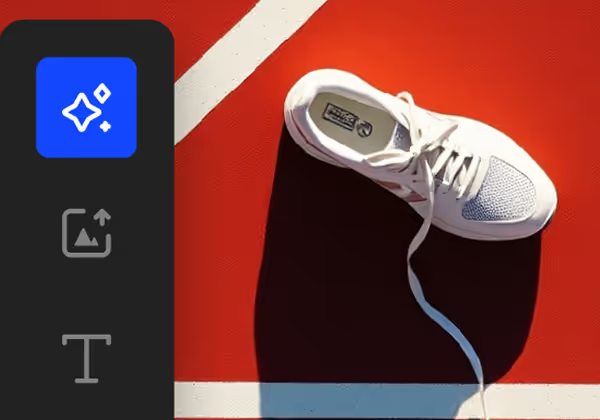
VSCO Canvas is a great photoshoot planning tool that lets you gather visual references, align on creative direction, and move into production with clarity.
When you can see your visual world before you shoot it, you’re able to show up with so much more intention.
4. Know your context
Location, background, props, styling, context. These are not afterthoughts. They are part of the story. Think about what the environment communicates and whether it's in conversation with everything else happening in the frame.
5. Refine, repeat, and stay rooted
Your visual identity won't fully arrive on your first try, or your tenth.
Play.
Experiment with different compositions, subject matters, and edits. Reflect on what sparks joy and what feels aligned.
Then refine over and over until it lands somewhere that feels like you at your best.
What it looks like when it all comes together
When things are really working, you feel it. Every element is in conversation with every other element. Nothing is random. Nothing is accidental.
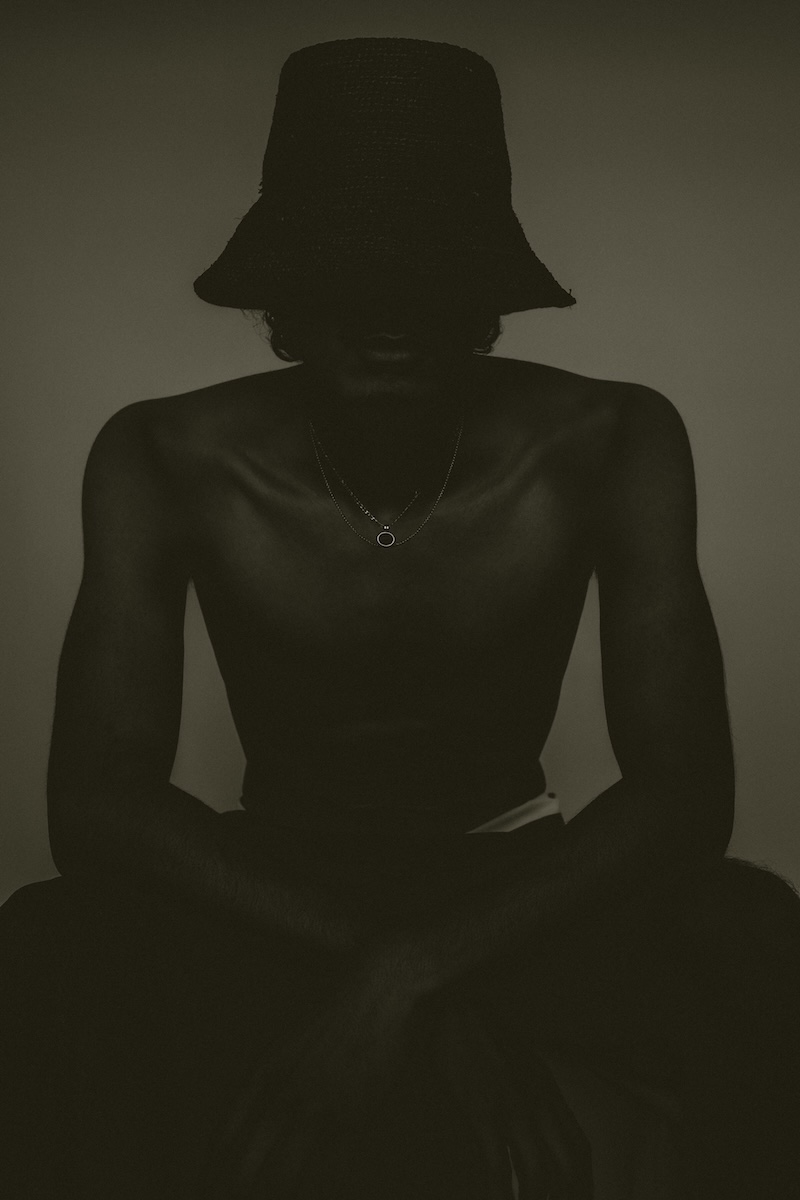
I think about this shoot for Youth to the People, a wellness brand with a clean, intentional aesthetic and a values-driven story. The visual brief wasn't just about skincare. It was about the relationship between a person, their body, and a ritual of care. That called for intentional light, a specific color story, and a compositional approach that felt intimate without being clinical.
Every choice was in service of the same emotional note. That's what visual identity with photos looks like. Your work becomes recognizable when it is rooted in authenticity, audacity, and intention. It's not just about the single image. It's about the accumulation of choices that creates a coherent, immersive experience.
Your work becomes recognizable when it is rooted in authenticity, audacity, and intention.
What to avoid when getting started
Chasing trends is the fastest way to lose yourself. It's often aimless, and it's almost never rooted in self-trust. Trends are, by definition, borrowed from somewhere else. And what's trending this season usually disappears within a few months.
There's something deeply honorable about creating work that comes from your own imagination, work that is intentional, distinctive, and true. That's the kind of contribution that resonates. The kind that inspires reflection. The kind that expands culture rather than imitates it.
Not every client will understand your vision, and that's okay. It isn't meant for everyone. The most iconic projects I've worked on are always the ones where I was given the freedom to fully operate in my creative genius. That freedom starts with you knowing exactly who you are and what your work stands for.
Inconsistency across clients is another trap. It happens when you prioritize the brief over your voice, when you shift your way through projects without anchoring back to your own world. Your creative identity can be in conversation with a client's vision, but it doesn't have to be replaced by it.
How your visual identity helps your business
Every brand wants to tell a story, and they are constantly searching for visionaries who are masterful visual storytellers.
When your work is consistent and distinctive, clients come to you because of who you are, not just what you can produce.
Mastering your visual style matters because clarity in who you are, your artistic voice, and your approach to storytelling, positions you as an image maker with intention. It signals discernment. It communicates perspective. It builds emotional resonance through imagery.
And beyond aesthetics, it reflects something even more powerful: self-trust, which is always a good look.
Start building your world
No one else can make the work you’re here to make. Your perspective is built from a set of experiences, references, and instincts that can’t be replicated. The way you see, what you notice, what you choose to frame. It’s yours alone.
Own that. Follow it without over-explaining. Let yourself experiment, miss, adjust, and refine until the work starts to feel like you. Not polished. Not perfect. Just true.
What you create shapes its own world. Stay close to it. Build it one image at a time.