Startups need photography to introduce products, establish a visual identity and connect with their first customers.
For photographers, that means a chance to work with emerging brands, take on creative projects and grow alongside a business.
It also comes with its own considerations. Budgets can be limited, creative direction may still be forming, and a single set of images can end up on a website, in social ads, in a press kit and on packaging.
Knowing how to price your work, define usage rights and set clear expectations is often the difference between a promising opportunity and an unprofitable project.
Whether you're pursuing your first brand photography client or expanding your commercial portfolio, this guide covers how to find startups worth working with, pitch your services, price projects, protect your rights and turn one assignment into ongoing work.
Key answers
Working with startup brands can help photographers build their commercial portfolios, attract new clients, and develop long-term partnerships. To succeed, identify brands with upcoming photography needs, pitch creative ideas tied to their business goals, price projects to reflect your work and usage rights, and establish clear agreements before production begins.
- Find startup photography clients: Look for brands launching products, refreshing websites, or expanding marketing campaigns. Use LinkedIn, startup communities, creative agencies, and referrals to identify opportunities.
- Pitch a specific creative concept: Show how your photography supports the brand's goals with a personalized message, relevant portfolio work, and a visual direction or mood board.
- Price commercial photography accurately: Account for creative fees, production expenses, editing, deliverables, and image licensing rather than charging only for session time.
- Protect your usage rights: Define where, how long, and across which channels a startup can use your images. Price expanded commercial usage separately.
- Negotiate budgets without undervaluing your work: Offer smaller packages, fewer deliverables, limited licensing, or phased projects instead of automatically discounting your rates.
- Build long-term client relationships: Deliver a professional experience, follow up on upcoming campaigns, and explore monthly retainers for startups that need ongoing photography.
What you'll learn in this guide:
- Understand What Startup Brands Need From a Photographer
- Find Startup Brands and Pitch Your Photography
- Price Your Photography Projects
- Define Usage Rights and Protect Your Work
- Scope the Project and Agree on Expectations
- Negotiate Startup Budgets Without Undervaluing Your Work
- Turn Your First Project Into Repeat Business
- Startup Photography FAQs
Startups have small teams and fast-changing priorities, and photography often has to cover several jobs at once.
They span software, finance, health, hospitality, media and consumer products, so their needs vary widely.
Common projects include:
- Product launch: hero images, detail shots, multiple crops and campaign assets
- Ecommerce: consistent lighting, product angles, backgrounds and repeatable setups
- Lifestyle campaign: art direction, locations, models, props and usage permissions
- Founder and team portraits: environmental portraits and press-ready headshots for the website, investors and media
- Social campaign: vertical and horizontal compositions, variations and room for copy
- Website or brand refresh: a cohesive set of images that supports the new visual identity
Each project has different production demands, so treat the first conversation as a way to translate the brand's marketing goals into a photography brief.
Ask Where the Images Will Run
A founder might describe a project as social content, then want the same images in paid ads, packaging or retail displays. That changes the license and the price.
Ask early:
- Where will the images appear, now and in the next 12 months?
- Who are they meant to reach?
- What does the brand hope to achieve?
- Will they need more content after launch?
The answers help you recommend the right deliverables and explain how your creative decisions serve the brand's goals.
The strongest startup clients usually have a reason to invest in photography right now.
Work through five steps:
- Find brands with a reason to hire: a product launch, website redesign, funding announcement, retail expansion or upcoming campaign
- Evaluate their current imagery: look for inconsistent product photos, missing lifestyle imagery or generic stock photography
- Identify the decision-maker: depending on the company, that could be the founder, a marketing lead, a brand manager or a creative lead
- Find a specific point of connection: reference a product, campaign or opportunity rather than sending a general portfolio link
- Make a focused pitch: explain what you could create and why it would help the brand
Good places to look include LinkedIn, startup accelerators and co-working spaces, local founder meetups, product launch and crowdfunding announcements, creative agencies that work with emerging brands, and referrals from past clients and designers.
Pitch With a Creative Direction, Not Just a Portfolio
A short email earns the conversation. A visual direction wins the project.
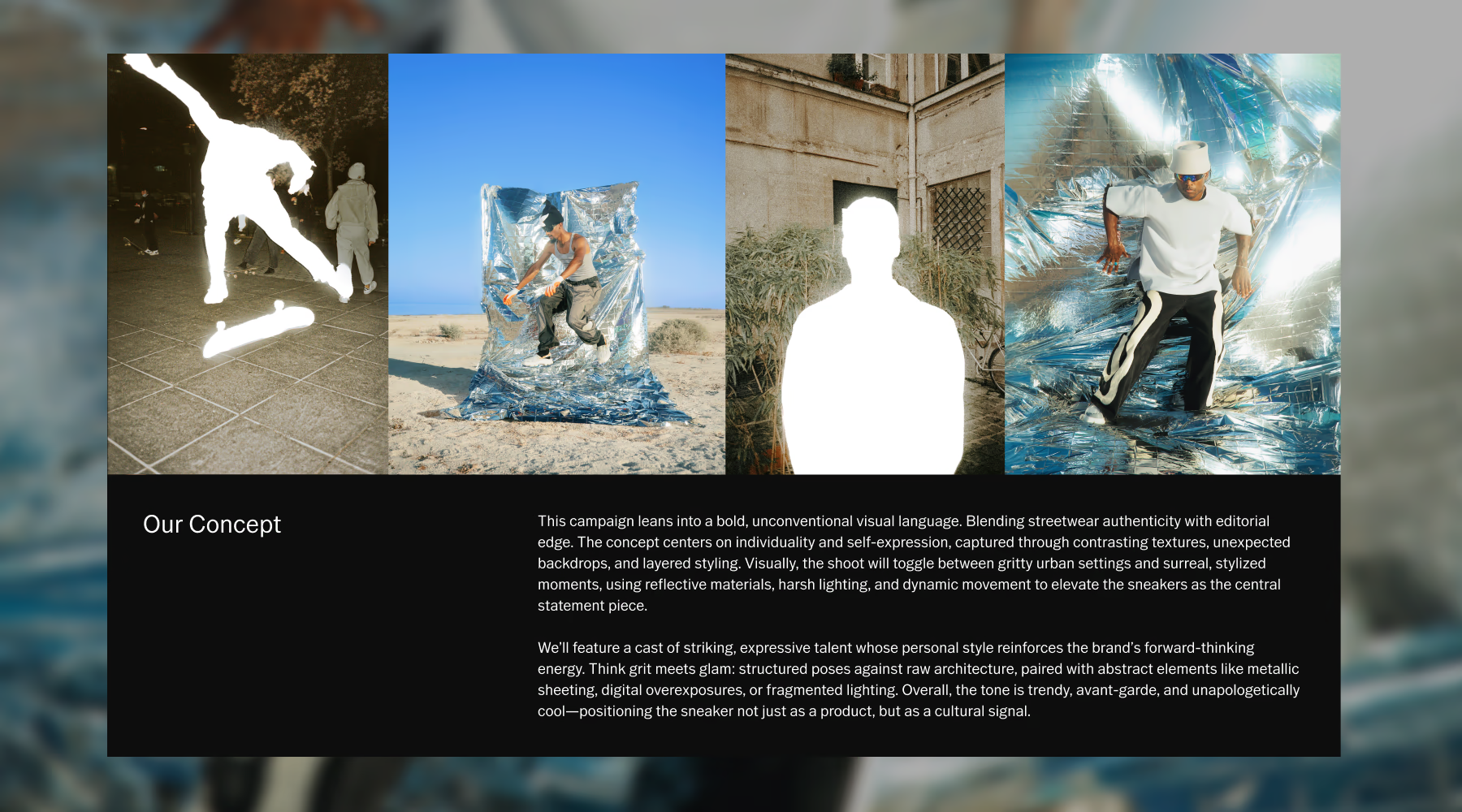
Put the idea in front of the founder as a mini pitch: the concept, the look, the mood and the shots you'd make.
VSCO Canvas is built for this. Start from a template such as a pitch deck, creative direction guide or photoshoot plan, add reference images, and share the board with your prospect.
The pitch deck template covers concept overview, visual style, mood and tone, and cast and talent. A shared Canvas can be view-only or editable, and clients can review and comment without a VSCO account.
A short email to go with it:
“Subject: Photography ideas for [Brand]'s [launch or campaign]
Hi [Name], I've been following [Brand] since [moment], and I noticed [specific observation about their current imagery]. I put together a short creative direction for how photography could support [goal]: [link]. I'd enjoy talking through it. Would 20 minutes this week work?”
Personalized pitches work because they show you've looked at the brand, not only at your own work.
Learn more in our guide: How To Create a Pitch Deck That Wins Photography Clients.
It's tempting to lower your rates when a startup's story excites you or a founder hints at future work. But a small brand can still need a lot of time and effort. Price the full assignment:
- Pre-production and creative development
- Session time
- Editing and post-production
- Equipment and production expenses
- Assistants, models, locations and other collaborators
- Travel and related expenses
- Image licensing
- Overhead, contingency and profit
In commercial photography, the creative fee, production expenses and licensing fee are separate components of the price. You don't have to itemize every one in a quote, but you should know how each one contributes.
Choose a Pricing Model That Fits the Project
- Hourly or half-day rates: suited to smaller sessions or flexible scopes. Set a minimum booking and clarify what's included.
- Flat project fees: suited to defined deliverables, such as 10 product images and five lifestyle photos, with additional images priced separately.
- Licensing fees: price how long, where and across which channels a brand can use your images.
- Monthly retainers: suited to startups that need fresh content regularly, covered in the repeat business section below.
You don't need to offer every option. Choose the models that fit your business and explain what each one includes. Research rates for photographers with similar experience, specialties and local markets, and use those figures as a starting point, not a ceiling.
See How a Quote Comes Together
Here is an illustrative quote for a hypothetical startup launching a skincare product.
The figures are examples to show structure, not recommended rates.
- Creative fee: half-day session with pre-production call, $1,200
- Production expenses: one assistant and props, $300
- Deliverables: 12 edited final images and one round of revisions
- License: 12 months of website and organic social use, $400
- Total: $1,900
If the brand later wants those images in paid social ads, you quote an expansion, for example $800 for 12 months of paid social use.
If they want 10 more edited images, you price the added editing time.
If they want a second location, you price the added travel and session time.
Because the original quote defined scope and usage, each request has a clear starting point.
Paying for a session doesn't automatically give a client every right to your images.
Creating, owning and licensing are three different things.
In the United States, the photographer generally owns the copyright in their photographs unless a written agreement or another legal exception says otherwise. Laws vary by country, so confirm the rules where you work.
These terms shape most commercial agreements:
- License: what the client is permitted to do with the images
- Duration: how long they can use them
- Territory: where they can use them
- Media: website, organic social, paid ads, packaging, print or press
- Exclusivity: whether you can license the same images to others, and for how long
- Buyout or copyright transfer: broader ownership or control, which is a different arrangement from a long or exclusive license and should be priced and documented as such
Startups often ask for everything because they don't yet know what they'll need. Start with the usage they have planned, and quote expansions as add-ons or renewals.
Consider a startup that commissions 15 product photographs for its website and organic social channels. Six months later, its marketing team wants the same images in a national paid campaign. Your original license tells you the new use isn't covered, and you can quote an appropriate expansion.
Also remember that rights to a photograph don't automatically resolve the rights of identifiable people or private property in it. Use model and property releases when your images feature either.
This is general guidance, not legal advice. Have a lawyer review your standard agreement.
A few extra product angles or a last-minute request for campaign images can seem harmless, but small additions add up and cut into your time and profit.
Confirm the Details Before Sending a Quote
Use this checklist:
- Objective: What is the campaign meant to achieve?
- Deliverables: How many final images are included, and what will they feature?
- Formats: Which sizes and orientations does the brand need?
- Production: Who handles locations, props, models and wardrobe?
- Timeline: When are the images, proofs and final files due?
- Revisions: How many rounds of feedback are included?
- Usage rights: Where, for how long and across which channels?
- Payment: What is the schedule?
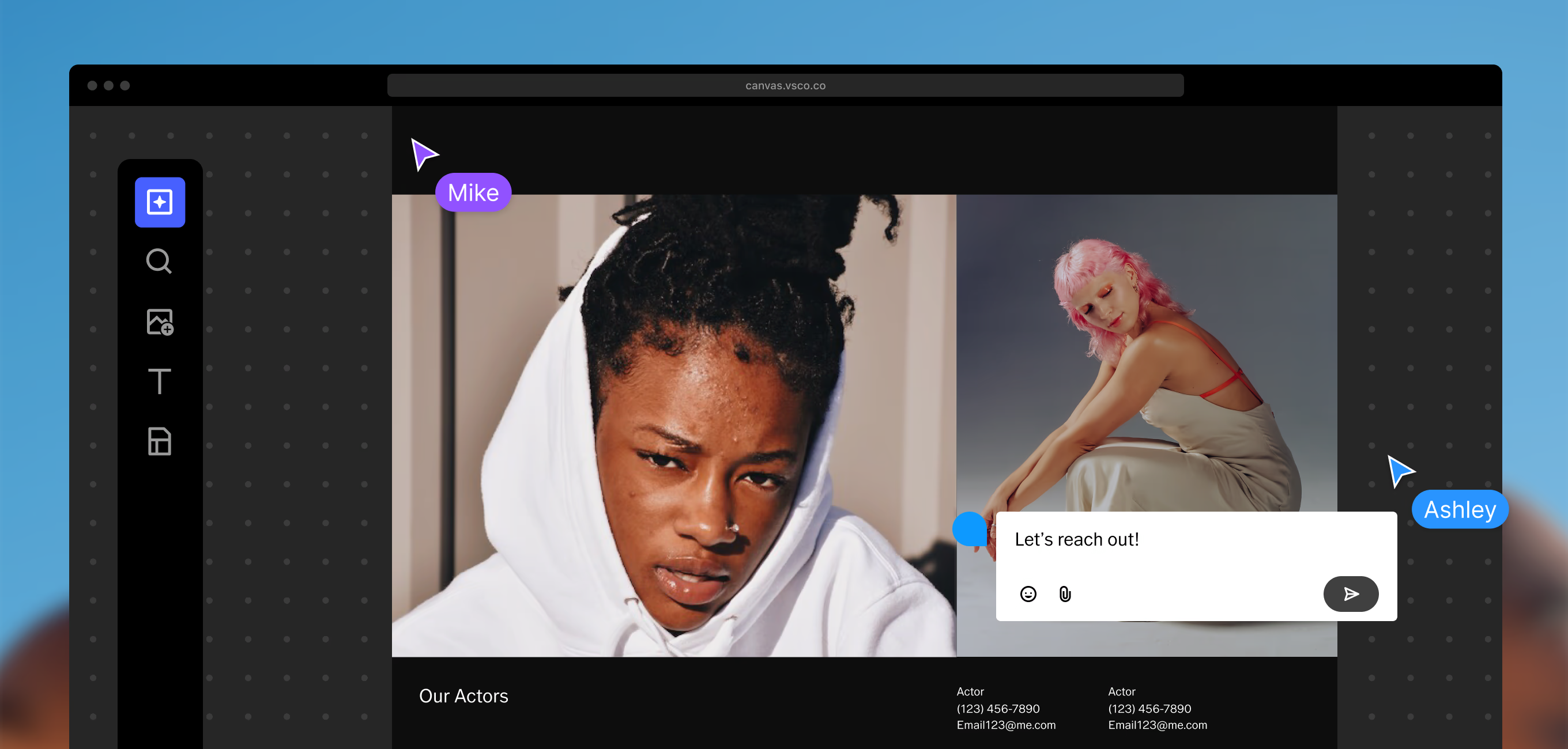
A shared creative direction helps here too. A Canvas board of references, shot ideas and notes lets the founder react to the look before the session, which means fewer surprises and fewer revision rounds.
Put Your Agreement in Writing
Even a small project deserves a written agreement. It should cover:
- Scope of work and deliverables
- Payment schedule, including a deposit to secure the date
- Deadlines and the revision limit
- Cancellation and rescheduling terms
- License terms, including duration, territory, media and exclusivity
- Fees for expanded usage and renewals
- Who is responsible for releases
- Photo credit and portfolio use
If the client requests additional work, explain the extra cost and any timeline change before you begin, and confirm it in a quick written recap. That keeps the relationship positive without taking on unpaid work.
Startups often have limited budgets, especially around a launch or funding round. You can be understanding without undervaluing your work. Instead of lowering your rate, change the shape of the project:
- Instead of a full-day production, offer a half-day with a tighter brief
- Instead of 30 final images, offer 10 priority images, with more available separately
- Instead of broad usage, offer a defined license for the launch campaign
- Instead of all assets at once, offer a phased production schedule
- Instead of an ongoing commitment, offer a paid pilot project before discussing a retainer
Presenting two or three packages at different price points also helps clients choose while keeping every option profitable for you.
Never negotiate against yourself. Don't volunteer a discount before the client has objected to your price. First learn their budget, priorities and intended usage, then respond:
“Thanks for sharing the budget. We can make this work by focusing on the 10 essential product images for your launch, with usage covering your website and organic social channels. If you need additional campaign assets or paid advertising coverage, we can scope those separately.”
Evaluate Exposure and Future-Work Promises
A collaboration can be worth a lower fee, but evaluate it as a business decision. Ask:
- Will the work demonstrate a new specialty?
- Will the brand allow portfolio use?
- Will the images reach the audience you want to attract?
- Is there a credible path to future paid work?
- Are you covering production costs?
Agree on portfolio permissions, photo credit and any promised promotion in writing before the session. Treat future projects as a possibility, never as payment. If you do offer a discount, define its scope and duration in writing.
Be Cautious With Equity
Equity is speculative and carries legal and financial complexity. It should never be treated as equal to guaranteed pay. If you consider it, make sure the terms are documented, have a lawyer or financial advisor review them, and make sure you can still cover your immediate costs.
A great startup collaboration can lead to repeat sessions, referrals and long-term creative partnerships. Watch for the natural next step:
- A product launch can lead to seasonal campaigns
- A founder portrait session can lead to team photography
- A brand session can lead to ongoing lifestyle imagery
- A website project can lead to new product photography as the catalog grows
After delivery, check in with the client and ask about upcoming campaigns. If you understand a startup's marketing calendar, you become a creative partner the brand plans around, not someone it calls only when it needs another set of images.
Set Up a Retainer Properly
A retainer is more than a client who hires you every month. A good retainer agreement specifies:
- Reserved availability
- Session time or production hours
- Deliverables
- Payment frequency
- Usage rights included
- What happens to unused time
As the relationship grows, revisit your pricing and licensing terms to reflect expanded needs.
How do photographers find startup clients?
Photographers can find startup clients through LinkedIn, accelerators, local founder communities, referrals and creative networks. Look for brands preparing to launch a product, refresh their website or run a campaign, then contact the person responsible for marketing or creative work.
What types of photography do startups need?
Startups commonly need product, lifestyle, campaign, founder portrait and social content photography. The right mix depends on the brand's industry and what it is launching.
How do I pitch photography services to a startup?
Reference something specific about the brand, explain how your photography could support a goal such as a launch, and share a short creative direction. A concise message with a visual idea works better than a general portfolio link.
How much should I charge a startup for photography?
Build the quote from your creative fee, production expenses, deliverables and the usage rights the brand needs. If the budget is limited, adjust scope or licensing before you lower your fee.
How do commercial photography usage rights work?
Usage rights define how a client may use your images, including for how long, where, in which media and whether the license is exclusive. Broader usage is worth a higher fee, and a copyright transfer is a different arrangement from a license.
Should photographers offer discounts to startups?
Only if it serves your business, and only with a defined scope and duration. Adjusting deliverables or usage is usually a better first move than cutting your rate.
Should photographers work for equity in a startup?
Equity is speculative, so treat it as uncertain and never as a substitute for guaranteed pay. Document the terms and have a lawyer review them first.
How can photographers turn a one-time brand project into a retainer?
After delivery, ask about upcoming campaigns and propose a defined monthly arrangement with set session time, deliverables and usage. A paid pilot project is a low-risk way to start.
Build a Photography Business That's Ready for Brand Clients
Brand clients judge your process as much as your pictures. Show the work you want to book, whether that's polished product photography, lifestyle imagery or behind-the-scenes content. With VSCO Sites, you can build a portfolio website that helps prospective clients explore a cohesive body of work and understand your services. A custom domain is available on Pro and One.
When the work is ready, VSCO Galleries lets you present a curated set of images through a link or QR code, and your client doesn't need an account or app to view it. Pro and One add unlimited galleries, extra video storage, and password protection.
Put the Whole Workflow in One Place
Startup projects move fast, so the business side needs a clear structure. In VSCO Workspace, a quote can bundle your packages, a questionnaire, a contract and a retainer payment behind one link, with no client account required. Accepted quotes convert to an invoice, and invoices support deposits, installments and monthly or custom schedules, which suits both project work and retainers.
Pair that with Canvas for pitching and creative direction, Sites for your portfolio and Galleries for delivery, and each step of the client relationship has a place to live.